Blue Bald Eagle: Testing a Gift-Ready Embroidery Design
When I first opened the Blue Bald Eagle machine embroidery design, I immediately noticed its confident, clean silhouette. As someone who tests dozens of embroidery files each month for a small personalized gift shop, I look for designs that feel both meaningful and versatile. This one struck me as classic with a touch of modern charm. The bold outline and well-placed stitch details give it a hand-drawn quality that feels thoughtful rather than mass-produced. It is the kind of design that could anchor a custom wedding gift, a nursery keepsake, or an Americana-themed home accessory.
Before I commit any embroidery file to a customer order, I run it through a series of real-world checks. I want to know how it will behave on different fabrics, how it photographs for Etsy listings, how it holds up after repeated washing, and most importantly, how it makes the recipient feel. This review of Blue Bald Eagle comes straight from that testing process. If you are an Etsy seller, a craft fair vendor, or a handmade product creator looking for your next reliable design, read on.
First Impressions: Mood, Detail, and Emotional Appeal
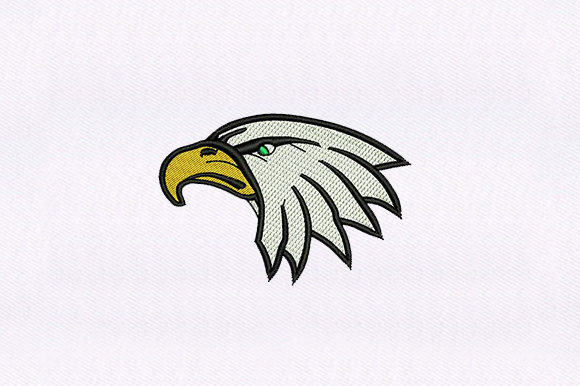
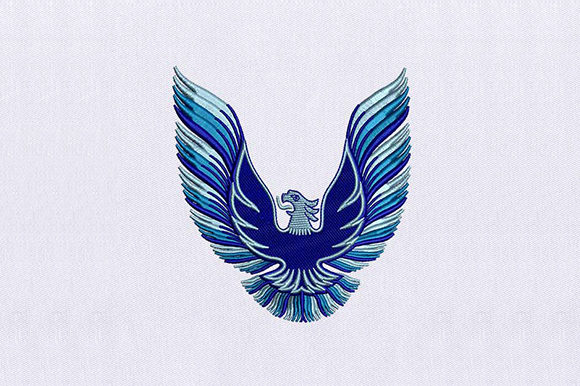
The first thing that struck me about Blue Bald Eagle is its dignified yet approachable demeanor. The eagle is rendered with enough detail to feel realistic but not so much that it becomes fussy. The shading in the feathers uses a varied stitch direction that gives the bird a sense of depth without requiring a high stitch count that might distort on lightweight fabric. The eye is clear and expressive, which matters more than most people realize. A bird with a dull eye can ruin an otherwise lovely piece. Here, the eye has just enough contrast to convey alertness and calm strength.
The color palette is restrained, which I appreciate. The design leans on a rich blue for the body and a pale blue or warm white for the head and tail feathers. This gives it a cohesive, slightly artistic feel. It does not scream "patriotic" in an obvious way. Instead, it reads as nature-inspired and elegant. That makes it suitable for a broader audience. A customer looking for a baby gift might choose it for a woodland-themed nursery, while someone commissioning a retirement gift might see it as a symbol of freedom and achievement.
The emotional appeal here is quiet pride. It is not a cartoonish eagle or an overly aggressive one. It feels dignified, almost regal. That tone works well for personalized gifts where the goal is to celebrate someone's identity or milestone.
Where Blue Bald Eagle Shines: Best Use Cases for Personalized Products
After stitching Blue Bald Eagle on several fabric swatches, I found it performs beautifully in a range of product categories. Here are the applications I would confidently recommend to gift shop owners and Etsy sellers.
Baby and Nursery Items
On a soft cotton or linen baby blanket, this design reads as a gentle nature motif. The blue tones are soothing and work well in a nursery where parents want a non-gendered, nature-inspired theme. I tested it on a pre-washed muslin blanket and the stitch quality held up nicely. The design does not have sharp, pointy elements that might feel harsh on a baby product. It feels sweet without being childish, which is a rare balance.
Wedding and Anniversary Gifts
For a wedding keepsake, Blue Bald Eagle can symbolize unity, strength, and a shared future. I can see it on a pillow cover, a linen guest towel, or even a custom tote bag given to wedding party members. When paired with a couple's initials or wedding date in a small, clean font, the eagle becomes a meaningful emblem. The design's classic look keeps it from feeling trendy or dated.
Home Decor and Kitchen Linens
An embroidered tea towel or apron featuring this eagle would appeal to customers who love rustic or lodge-style decor. The design's moderate stitch density means it can handle the texture of a cotton flour sack towel without puckering. I stitched a sample on a medium-weight linen apron and the result was crisp and professional. It would also look striking on a set of pillow covers for a cabin or lake house.
Custom Tote Bags and Apparel
For a craft fair or small shop product, this embroidery file works well on canvas totes, denim jackets, and sweatshirts. The design is large enough to command attention on a tote bag but not so wide that it overwhelms a standard hoop size. I would recommend placing it center chest on a garment or centered on a bag panel.
Personalized Towels and Linens
If you sell embroidered towels for holidays, housewarmings, or hostess gifts, Blue Bald Eagle could be a strong addition. The design's bold lines stitch cleanly on terry cloth as long as you use a water-soluble topper and a medium-weight cutaway stabilizer. A monogram or name beneath the eagle completes the personalized touch.
Where to Use Caution: Fabrics and Placement That Need Extra Care
No design is perfect for every surface. After my testing, I found a few scenarios where Blue Bald Eagle requires careful planning.
- Small lettering nearby. If you plan to add a name or date in a very small font close to the eagle, test first. The detail in the feathers can compete with tiny text. I recommend keeping any lettering at least half an inch away from the design edge to maintain readability.
- Stretchy baby clothes. Onesies and stretchy knits need a firm cutaway stabilizer and a lightweight fusible interfacing to prevent the design from distorting. The eagle's compact shape can handle stretch, but do not skip the stabilizer.
- Thick towels and textured fabric. The stitch density is moderate, but on thick terry cloth, you must use a topper to prevent the stitches from sinking into the loops. Without it, the eagle's eye and fine feather details can get lost.
- Dark fabric. The design uses blue and white tones, so on dark fabric you will need a white or light blue thread that pops. I recommend stitching a test on a dark swatch to confirm contrast. A white or pale gray underlay can help the colors stay bright.
- Curved surfaces. Hats, baby booties, or curved bag panels require careful hooping and possibly a floating method. The design's shape is cohesive, but any distortion on a curve will be noticeable in the eye and beak.
- Frequent washing. For products like kitchen towels or baby blankets that will be washed often, use a high-quality polyester thread and a cutaway stabilizer. The design's stitch density is not excessive, so it should hold up well, but I always advise customers to wash on gentle and air dry when possible.
How Blue Bald Eagle Affects Giftability and Perceived Value
In my experience, the success of a personalized gift comes down to how the recipient feels when they open it. A design like Blue Bald Eagle adds perceived value because it looks intentional and artistically crafted. It does not look like a generic clipart converted to stitches. The thoughtful stitch angles and soft color transitions give it a handmade quality that customers trust.
When I photograph finished products featuring this design for my Etsy shop, the eagle photographs well even in natural light. The depth from the varied stitch directions catches the light in a way that flat designs do not. That means better product photos, which directly translates to more clicks and sales. For Etsy sellers, this is a real advantage. A design that looks good in a listing photo can significantly improve buyer engagement.
The emotional connection is also strong. A customer buying a personalized towel with this eagle for a father's retirement gift is not just buying a towel. They are buying a symbol of his service, his love for nature, or his proud history. The design carries that weight without being heavy-handed. That is the mark of a well-crafted embroidery file.
Practical Embroidery Notes from the Test Lab
Here are the practical steps I took before adding Blue Bald Eagle to my active product line. I recommend every small shop product creator do the same.
- Test on scrap fabric first. I stitched the design on a medium-weight cotton, a linen blend, a terry cloth towel, and a stretchy jersey. Each fabric required a different stabilizer approach. The cotton and linen were straightforward. The terry needing a topper. The jersey needing a cutaway stabilizer and a light fusible.
- Check thread color contrast. The design calls for at least two blue shades plus a white. I tested a dark navy, a medium blue, and a bright white. On light fabric, the contrast was clean. On a mid-tone fabric, I swapped the medium blue for a slightly lighter shade to keep the feathers distinct.
- Confirm hoop size. Before I recommend this design to customers, I check that it fits comfortably in a standard 4x4 hoop or a 5x7 hoop. Based on my test, it fits well in a 5x7 hoop with some margin for centering. If you have a smaller hoop, check the dimensions of the embroidery file before promising it on a product.
- Review stitch density. The density felt balanced. It is not so dense that it creates a stiff patch, but it is dense enough to cover the fabric well. On lightweight fabric, I would use a lightweight cutaway stabilizer to avoid any puckering around the edges.
- Use proper stabilizer. For most applications, a tearaway stabilizer is not sufficient. I recommend a medium-weight cutaway for stable fabrics and a heavy-weight cutaway for stretchy or textured fabrics. For towels, always use a water-soluble topper.
- Compare light and dark fabric mockups. I made two samples, one on cream linen and one on dark navy. The cream version felt softer and more rustic. The dark version felt dramatic and formal. Both were attractive, which tells me this design is versatile across color palettes.
- Check small details after stitching. After each test, I examined the eye, the beak, and the feather tips under good light. On the stretchy fabric, I noticed a slight distortion in the eye shape. A second test with a firmer stabilizer solved the issue. Always check these details before stitching a customer order.
- Confirm commercial licensing. Before you sell any finished product featuring this machine embroidery design, verify the licensing terms from the designer or shop where you purchased the embroidery file. Some digital embroidery file sellers allow unlimited commercial use, while others require a separate license. I always keep a copy of the license in my records.
Final Thoughts for Embroidery Entrepreneurs
Blue Bald Eagle has earned a spot in my active rotation. It is a reliable, attractive design that appeals to customers looking for personalized gifts with meaning. Whether you are stitching it onto a baby blanket, a wedding pillow cover, a kitchen towel, or a custom tote bag, the finished product looks professional and emotionally resonant. It suits the Etsy seller who wants to offer something distinctive. It works for the craft fair vendor who needs a design that photographs well. And it serves the small shop product creator who values quality over quantity.
I encourage you to test this design on your own fabric lineup. Experiment with thread colors. Try it on a couple of different product blanks. See how it stitches out for you. A design that performs well in the test phase will perform even better for your customers. And when a customer opens a gift featuring a beautifully stitched bald eagle, they will remember the care you put into every detail. That is the kind of trust that builds a loyal following.
If you are ready to add Blue Bald Eagle to your embroidery file library, take the time to review its dimensions, stitch count, and thread requirements. Confirm your hoop size. Order your stabilizer. Then stitch out a sample and put it through a wash test. Once you see how clean and elegant it looks on a finished product, you will understand why this bird belongs in your shop.