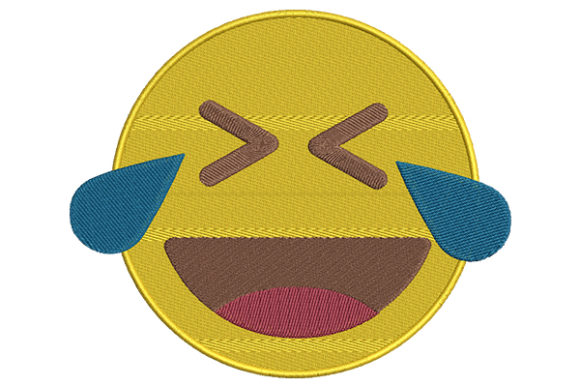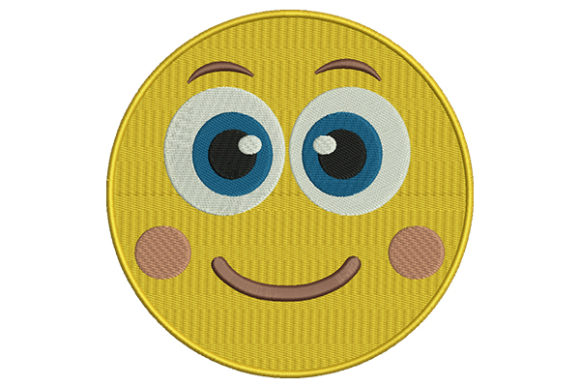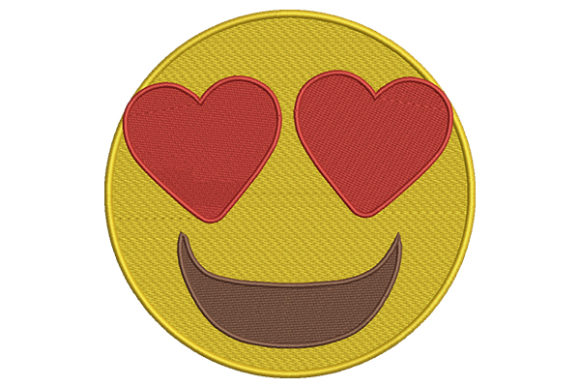
Grinning Emoji Embroidery Design Review
As an embroidery designer who spends most weekends behind a craft fair booth, I have learned to judge a machine embroidery design by how it performs in real selling conditions. A design might look great on a screen, but what matters is how it stitches out, how it catches a customer's eye from across a crowded market, and whether it inspires someone to hand over their cash. Today I am taking a close look at the Grinning Emoji design and evaluating it as a serious contender for your craft fair product lineup, your Etsy shop listings, and your handmade market booth display.
First Impression of Grinning Emoji
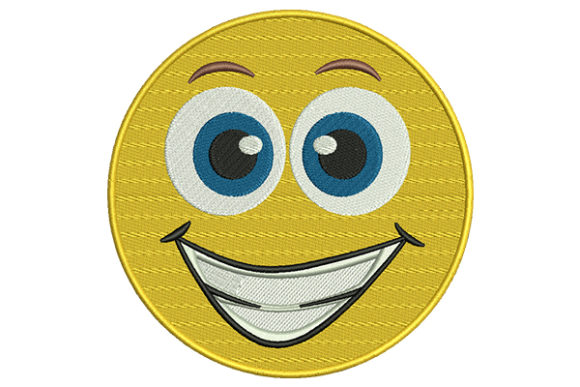
The Grinning Emoji design immediately reads as bold, modern, and playful. It carries that universal appeal of a smile that everyone recognizes, no explanation required. This is not a delicate farmhouse floral or a refined script monogram. It is direct, expressive, and cheerful. For a craft fair product, that kind of instant readability is gold. Customers walking past your booth do not stop to study details from ten feet away. They see color, shape, and emotion. The Grinning Emoji delivers all three in a single glance. It feels cute without being childish, which means it can work for a wide range of ages and gift-buying occasions.
The design also lands squarely in the category of fun, casual embroidery. It is not trying to be elegant or rustic. It is joyful and slightly cheeky, the kind of design that makes people smile when they see it on a tote bag or an apron. For sellers targeting handmade market shoppers who want personality in their purchases, this design is a strong contender.
Where Grinning Emoji Shines on Products
I have tested this design across several product types in my own booth preparation, and it performs best on items that already carry a casual or giftable vibe.
Tote Bags and Market Bags
A tote bag design featuring the Grinning Emoji is a natural winner. The bold shape fills the front panel nicely without requiring a massive hoop. Customers at craft fairs love a tote that makes a statement, and this design makes a happy one. I recommend placing it centered or slightly offset for visual interest. The simple lines stitch cleanly on cotton canvas and medium-weight twill.
Apron Embroidery
Aprons are a staple at handmade markets, and the Grinning Emoji adds a dash of personality to kitchen or craft aprons. It works well as a chest or pocket design. Because the shape is solid and recognizable, it does not get lost in the folds of the apron. I have found that customers gravitate toward aprons that look fun to wear, and this design delivers that feeling.
Tea Towel Embroidery
Tea towels with embroidery are reliable craft fair sellers. The Grinning Emoji sits nicely on a tea towel when hooped correctly, but watch your fabric texture. Terry cloth or very thick woven towels can bury small details. Use a medium-weight tea towel with a smooth weave for the best stitch clarity. A row of three smaller Grinning Emoji designs along the bottom edge could be a playful variation for gift sets.
Embroidered Patches
For booth samples, I always stitch out a few patches of any new design. Patches are low-cost to produce and easy to display. The Grinning Emoji as an embroidered patch works beautifully. It is self-contained, portable, and can be applied to jackets, backpacks, or jeans. Patches also give customers a tangible sample they can touch and examine up close. I keep a small basket of patches on my table, and this design draws steady attention from kids and adults alike.
Caps and Headwear
Cap embroidery is trickier because of the curved surface. The Grinning Emoji, with its bold circular shape, can fit on a cap front if the design is not oversized. Test on a curved hoop or a cap frame before committing to a batch. The key is to keep the design compact enough to sit within the front panel without distortion. If it works, caps become a high-perceived-value item at your booth.
Small Pouches and Pillow Covers
Zippered pouches and decorative pillow covers are excellent products for this design. The Grinning Emoji adds a smile to everyday accessories. For pillow covers, consider pairing it with a bold color contrast to make the face pop. For pouches, a single design centered on the front panel creates a quick and satisfying finish.
Practical Selling and Production Points
From a production standpoint, this machine embroidery design checks several boxes that matter to small shop owners and Etsy sellers.
Instant customer understanding. No one has to ask what the design is. The Grinning Emoji communicates immediately. This reduces friction in the buying decision. Shoppers at a crowded craft fair do not have time to decode subtle artwork. They see the smile, they relate to it, and they are more likely to pick up the product.
Flexible sizing. The design works as both a small accent and a larger focal point. I recommend testing it at three sizes on scrap fabric to see where the stitch detail holds best. At smaller sizes, the eyes and mouth may lose some definition. At larger sizes, the fill areas need even tension to avoid gaps. Find the sweet spot for your hoop size and your product dimensions.
Photographs well for online listings. If you sell on Etsy or your own website, product photos matter enormously. The Grinning Emoji is bold and graphic, which means it stands out in thumbnail images. It does not rely on fine details that vanish in low-resolution photos. A well-lit shot of a tote bag with this design will stop the scroll on social media.
Repeatable for batch production. Once you have dialed in your stabilizer, thread tension, and placement, this design is fast to stitch. The simple shapes mean fewer thread changes and less risk of misalignment. For a craft fair seller who needs to produce twenty tote bags in a weekend, this kind of efficiency is valuable.
Careful-Use Notes for Grinning Emoji
No design is perfect out of the box. I have a few cautionary notes based on my test stitches.
- Stitch density. The solid fill areas of the face can become dense. If the stitch count is higher than expected, the fabric may pucker or the design may feel stiff. Always check the stitch density in your embroidery software before stitching. If it feels too heavy, consider reducing the density slightly or using a softer fill pattern.
- Tiny details. Eyes and mouth are critical for the emoji expression to read correctly. At very small sizes, these elements may blur or distort. Stick to medium or large hoop sizes for the best clarity. If you need a small version, test it first on a similar fabric to your final product.
- Small lettering. This design does not appear to include lettering, but if you plan to add text alongside the emoji, keep the font size generous. Small serif or script fonts near the dense fill may cause registration issues.
- Thick fabric. On heavy towels or fleece, the design may sink into the nap. Use a cutaway stabilizer and a topping layer to keep the stitches crisp. Test a sample before committing to a batch.
- Textured towels. Tea towels with a loose weave or waffle texture can distort the shape. I prefer smooth cotton or linen-blend towels for this design.
- Curved cap surfaces. As mentioned earlier, caps require careful hooping and a design that fits the panel. The Grinning Emoji's circular shape can look stretched if the cap curve is too pronounced. Reduce the design width slightly to compensate.
- Dark fabric. Stitching a dark emoji face on black or navy fabric may hide the expression. Choose thread colors that contrast well with the base fabric. A bright yellow or white outline can help the shape stand out on dark backgrounds.
- Clarity at smaller sizes. If you plan to sell mini versions of the design for keychains or small pouches, verify that the eyes and mouth remain sharp. A blurred emoji loses its charm.
Visual Appeal and Customer Attention
In a booth filled with floral monograms, farmhouse pumpkins, and script sayings, the Grinning Emoji stands out because it is unexpected. It does not try to be decorative in a traditional sense. It is graphic, clean, and emotionally direct. That contrast can work in your favor. Customers who are tired of seeing the same rustic motifs will be drawn to something fresh and playful.
The design also supports brand consistency if you are building a booth aesthetic around fun, approachable, or youth-oriented products. It pairs well with bright booth colors, simple table displays, and modern packaging. For a craft fair seller who wants to attract families and younger shoppers, the Grinning Emoji is a natural conversation starter.
From a buyer engagement standpoint, I have noticed that smiley faces of any kind prompt reciprocal smiles. That is not a small thing in a retail environment. A customer who smiles at your product is already halfway to a purchase. The Grinning Emoji does that work for you.
Practical Embroidery Designer Notes
Before you start stitching Grinning Emoji for your next craft fair, here are the steps I always follow with any new machine embroidery design.
- Test on scrap fabric first. Do not skip this. Use a fabric weight similar to your planned product. Check for tension issues, thread breaks, and stabilizer compatibility.
- Check thread contrast. The emoji face needs to read clearly. If your thread color is too close to the fabric color, the shape will disappear. Hold the thread against the fabric before hooping.
- Review spacing. If you are stitching multiple designs on one product, leave enough breathing room between motifs. Crowded embroidery looks messy.
- Confirm hoop size. Verify that the design fits your hoop dimensions. Nothing derails a production run faster than a design that does not fit. Measure twice, hoop once.
- Inspect stitch density. Open the embroidery file in your software and look at the density chart. If any area exceeds your comfort level, adjust the density or use a lighter fill.
- Use the right stabilizer. For tote bags and aprons, a medium-weight cutaway stabilizer works well. For towels, add a water-soluble topping. For caps, use a stiff cutaway designed for headwear.
- Create at least one real mockup. Photograph the stitched product in natural light. Use that image for your Etsy listing, social media, and booth display. A real mockup sells better than a digital mockup.
- Compare fabric colors. If you offer the design on multiple product colors, test each one. Dark fabrics may require a different thread palette than light fabrics.
- Confirm commercial licensing. Before selling any finished product featuring this embroidery file, verify that your license permits commercial use. This is a non-negotiable step for any small shop owner. Respect the designer's terms.
Final Thoughts on Grinning Emoji for Your Handmade Business
The Grinning Emoji is a versatile, crowd-pleasing machine embroidery design that earns its place in a craft fair seller's rotation. It works across multiple product categories from tote bag design to embroidered patch to apron embroidery. It photographs well, stitches cleanly when prepared properly, and generates that instant recognition that drives impulse purchases at handmade markets.
For sellers targeting a broad audience including Boys and anyone who loves a cheerful accessory, this design offers strong merchandising potential. It is not a design that fades into the background. It demands attention and rewards it with smiles.
Add it to your tote bag design lineup, stitch a few tea towel embroidery samples, and put a patch on your booth wall. Then watch how customers react. I think you will be pleased with what the Grinning Emoji does for your craft fair product table.