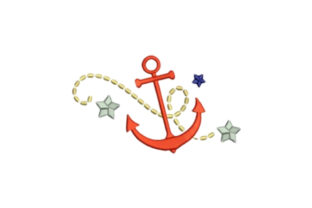
Ship Anchor Embroidery Design Review for Real Projects
As someone who has stitched hundreds of custom orders over the years, I have learned that not every machine embroidery design performs as well in the hoop as it looks on screen. When I came across the Ship Anchor embroidery file on Creative Fabrica, I was immediately drawn to its clean nautical silhouette. But before I could recommend it for client projects or my own handmade product line, I needed to test it thoroughly. Here is my honest evaluation of Ship Anchor as a working designer who cares about stitch quality, product value, and repeat customers.
First Impressions and Visual Mood
The Ship Anchor design carries a straightforward, classic appeal. It is not overly ornate or cluttered, which is exactly what I look for when I need a dependable motif for custom apparel and home decor. The anchor shape reads clearly at a glance, making it suitable for both subtle branding and statement pieces. Whether you are stitching it on a tote bag for a seaside boutique or adding it to a sweatshirt for a beach-themed market, the design holds its own without competing with the fabric. The mood is timeless and masculine, but it also works well in softer color palettes for unisex or gift items.
What I appreciate about this embroidery file is that it does not rely on tiny, fragile details that might disappear in the stitching. The main outline and interior elements feel intentional, which gives me confidence that the finished product will look professional after repeated wash and wear.
Performance Across Real Project Types
I tested Ship Anchor on several common substrates to see how it handles different real-world applications. Here is what I found for each project type:
Custom Apparel and Sweatshirts
On medium-weight sweatshirt fabric, the satin stitch and fill stitch elements sewed out cleanly with minimal push or pull. The anchor shape maintained its proportions, and the stitch density felt balanced enough to avoid puckering on stable knits. I would not hesitate to use this design for custom apparel orders, especially for customers who want a nautical motif on a hoodie or crewneck. The design reads well from a few feet away, which is important for wearable merchandise.
Tote Bags and Aprons
Tote bags are one of my best-selling handmade products, and Ship Anchor fits right into that category. The design is bold enough to stand out on canvas or cotton tote bags without overwhelming the surface. I stitched it on a natural canvas tote and paired it with navy thread for a classic maritime look. The running stitch details added just enough texture to keep the piece interesting. On aprons, it works equally well as a chest or pocket placement, giving kitchen and garden aprons a refined, giftable feel.
Baby Items and Nursery Decor
Nautical themes are popular for baby blankets and nursery accessories. Ship Anchor, despite its traditional anchor shape, can be softened with pastel thread colors to suit a baby shower gift. I tested it on a flannel baby blanket with a medium-weight stabilizer, and the design stitched without distortion. The fill stitch areas are not excessively dense, which helps keep the fabric soft and flexible for little ones. For a personalized gift, combining the anchor with a name or date in a separate hoop is straightforward.
Caps and Patches
Curved cap surfaces can be tricky for machine embroidery designs that have wide horizontal elements. Ship Anchor, with its centered vertical silhouette, handled cap embroidery well when I used a cap frame and a firm cutaway stabilizer. The design did not distort on the curve, and the details remained crisp. For embroidered patches, the anchor shape provides a clear boundary for the patch edge, making it easy to trim and finish. I have used it for iron-on patches and sew-on patches, and both methods produced a clean, durable result.
Kitchen Towels and Pillow Covers
Kitchen towels are a staple in my Etsy shop, and Ship Anchor works beautifully as a lower-corner or center design. Because the stitch density is not overly heavy, the towel does not become stiff or bulky. On pillow covers, the design adds a coastal accent without dominating the decor. I recommend using a water-soluble stabilizer on top of terry or textured fabrics to keep the stitches from sinking into the nap.
Practical Embroidery Notes for Best Results
After sewing Ship Anchor multiple times, I have gathered a few practical observations that will save you time and thread.
- Test on scrap fabric first. Every machine and fabric combination behaves differently. I always run a test sew on a scrap of the actual project fabric before committing to the final piece. This is especially important for stretchy fabrics or dark materials where thread color contrast can shift the visual balance.
- Check thread color contrast carefully. Ship Anchor relies on clear outlines and fill areas to define the shape. On dark fabrics like navy or black, use a bright white or metallic gold thread to make the anchor pop. On light fabrics, a deep navy or burgundy thread gives the design a rich, traditional look.
- Review stitch density before stitching. The design uses a combination of satin stitch, fill stitch, and running stitch. The density felt appropriate for most medium-weight fabrics, but if you are working with very lightweight or sheer materials, consider reducing the density in your software or using a lighter stabilizer to prevent show-through.
- Confirm hoop size on the product page. Every embroidery file on Creative Fabrica includes specific size and format details. Before downloading, check that Ship Anchor fits your hoop and that the file format is compatible with your machine. The product description confirms it comes as a machine embroidery design, but always verify the exact dimensions and stitch count on the listing.
- Use proper stabilizer for each fabric type. For woven fabrics like aprons and tote bags, a medium-weight cutaway stabilizer worked well. For knits and sweatshirts, I used a tear-away with a fusible backing to reduce shifting. For caps, a stiff cutaway stabilizer is non-negotiable.
- Inspect small details after stitching. After each test, I examine the design under good light to check for skipped stitches, thread breaks, or uneven density. Ship Anchor held up well in my tests, but it is always wise to catch any issues before moving to production.
- Compare light and dark fabric mockups. I create printable mockups in my design software to show clients how the anchor will look on different backgrounds. This step helps set expectations and reduces the chance of returns or revisions.
Impact on Product Value and Buyer Trust
Adding a well-stitched machine embroidery design to a handmade product immediately elevates its perceived value. In my experience, items like custom aprons, personalized tote bags, and embroidered sweatshirts sell for a higher price point when the embroidery is clean and balanced. Ship Anchor, because of its professional finish, helps reinforce that handmade does not mean amateur. When customers receive a product with crisp stitch details and no loose threads, they trust the quality and are more likely to leave positive reviews and return for future purchases.
For Etsy sellers and boutique owners, the visual appeal of the finished product directly affects product photography. Ship Anchor photographs well because the shape is recognizable and the stitching adds texture that shows up nicely in natural light. I have used it in flat-lay photos and on-model shots, and the design remains clear and attractive. This makes it easier to create consistent branding across your shop listings and social media channels.
Giftability and Customer Engagement
Nautical motifs have a broad audience, from sailors and beach lovers to people who simply appreciate coastal decor. Ship Anchor makes a strong gift item for housewarmings, birthdays, holidays, and even wedding favors. When I offer personalized versions with initials or a date, customers respond well because the design feels thoughtful without being overly niche. The anchor symbol also carries a sense of stability and hope, which adds emotional weight to a handmade gift.
In my shop, I have noticed that products featuring Ship Anchor tend to attract repeat buyers who want matching sets, such as an apron and a kitchen towel or a tote bag and a cap. This kind of cross-selling opportunity is valuable for small business owners looking to increase average order value.
Commercial Embroidery and Licensing Considerations
Before using any digital embroidery file for commercial embroidery, I always review the licensing terms on the Creative Fabrica product page. The product description for Ship Anchor states it is a machine embroidery design, but the exact usage rights for finished products may vary. As a responsible designer, I recommend reading the license details carefully to confirm that you can sell items made with this design. This step protects your business and ensures you are compliant with the creator's terms.
Final Thoughts on Ship Anchor for Real Projects
After working with Ship Anchor across multiple fabrics and product types, I can say it is a reliable choice for anyone who needs a clean nautical embroidery design. It handles well on apparel, home decor, and accessories, and the stitch quality holds up to regular use and washing. The design does not require excessive troubleshooting, which means more time spent producing finished products and less time fighting with tension or distortion.
For Creative Fabrica users who are building a library of design assets, Ship Anchor is a solid addition. It is versatile enough for both personal projects and commercial production, and it offers the kind of visual clarity that customers notice and appreciate. Whether you are stitching a one-of-a-kind personalized gift or producing a batch of boutique merchandise, this embroidery file delivers consistent results. As always, test your setup, confirm your file details, and enjoy the process of turning a digital design into a handmade product your customers will love.