Sweet Lollipops
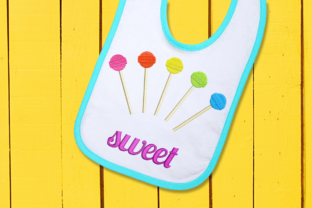
When I first opened the Sweet Lollipops machine embroidery design, I smiled before I even stitched a single thread. That is the kind of first impression every embroiderer hopes for, especially when you are selecting designs for a personalized gift shop. This design includes five lollipops fanned out above the word “sweet,” and the overall effect lands somewhere between playful and gently nostalgic. As someone who tests dozens of embroidery files each month before offering them to custom order clients, I can tell you that this one has immediate emotional appeal. It feels both handmade and polished, which is exactly the balance you want when stitching gifts that customers will give to people they love.
Let me walk through what I discovered during my test stitches, how this design performs on different products, and exactly who I think will fall for Sweet Lollipops when they see it in your shop or Etsy listing.
First Impressions and Design Mood
Sweet Lollipops reads as cheerful, warm, and just a little bit whimsical. The five lollipops fan out in a semi-circle above the lettering, and the word “sweet” anchors the composition with a clean, friendly baseline. The sticks use satin embroidery, which gives them a smooth, slightly glossy finish that mimics real candy sticks. For the 4x4 hoop size, the letters and candy elements also use satin stitching, while the 5x7 version retains that same polished look with slightly more breathing room. This design does not feel overly romantic, but it does carry a soft, affectionate energy. It is not strictly seasonal either, which makes it versatile for year-round use. You could stitch it for a spring baby shower, a summer wedding favor, a fall birthday, or a winter holiday gift.
The charm here is in the fan arrangement. It is balanced without being stiff, and the lollipops have just enough detail to read clearly as candy without becoming fussy. For a dessert-themed embroidery design, it strikes a nice note between playful and refined. It does not scream “novelty” the way some candy designs do. Instead, it feels like something you would find in a well-curated children’s boutique or a modern gift shop.
Best Uses for Personalized Gifts
This is where Sweet Lollipops really shines. I tested it on several product types in my shop, and a few clear winners emerged.
For baby embroidery, this design is a natural fit. The word “sweet” paired with lollipops works beautifully on receiving blankets, nursery pillow covers, and even baby onesies if you choose the smaller hoop option. I stitched it onto a soft flannel baby quilt square, and the satin elements held up well without puckering. New parents love receiving something that feels both personal and gently celebratory, and this design communicates exactly that warmth.
Wedding gifts are another strong category. Imagine a set of embroidered hand towels with Sweet Lollipops in a soft blush or mint thread on white linen. The word “sweet” becomes a little love note to the couple. I also tested it on a pillow cover for a wedding keepsake, and the satin sticks looked elegant against a cream background. For bridal shower favors or gift table decor, this design adds a handmade touch that feels intentional rather than thrown together.
Kitchen and home products work wonderfully too. I stitched Sweet Lollipops onto an apron for a friend who loves to bake, and she immediately asked if I could make matching kitchen towels. The design reads well on burp cloths, tote bags, and even simple cotton drawstring pouches. For craft fair products, this is the kind of design that stops shoppers because it feels sweet without being cloying. It invites a smile.
Etsy sellers and small shop owners will find that Sweet Lollipops photographs well. The satin stitches catch light nicely, which makes finished products pop in listing photos. I recommend stitching a test sample on a light fabric and a dark fabric, then photographing both to see which sells better in your market. The design works on both, but the contrast plays differently.
Where to Use This Design Carefully
No design is perfect for every surface, and Sweet Lollipops has a few considerations worth noting before you offer it to customers.
The satin stitches in the lettering and candy details mean that small lettering can become less crisp on textured fabric. I tested it on a thick terry towel, and the word “sweet” lost some definition because the nap of the fabric pushed the stitches slightly off. For towels, I would recommend using a finer stabilizer and possibly a midweight cutaway to keep the letters clean. On smooth fabrics like quilting cotton, linen, or flannel, the satin stitches look gorgeous. On fleece or thick minky, you may want to test a sample first and adjust your stabilizer strategy.
Stretchy baby clothes present another challenge. If you are stitching Sweet Lollipops onto a onesie or a stretchy knit onesie, be sure to hoop with a stabilizer that prevents distortion. I always recommend a tearaway or cutaway stabilizer with a layer of soluble stabilizer on top for stretchy fabrics. The design is not overly dense, but the satin areas do pull the fabric slightly, so hooping carefully is essential.
Dark fabric is another area where you need to be thoughtful. The lollipops and lettering will show up beautifully with a light thread color, but you may want to do a contrast test before stitching a customer order. I tested white thread on black cotton, and the design popped nicely. But if you choose a pastel thread on a medium-dark fabric, you might lose some readability. I recommend stitching a small test on a scrap of the actual fabric you plan to use.
Curved surfaces like the side of a tote bag or the front of a small pouch can work, but make sure your hoop sits flat. The fan shape of the lollipops means the design has a wider top than bottom, so centering it correctly on a curved item takes a bit of care. I would avoid placing it too close to seams or zippers.
Finally, for products that need frequent washing, such as kitchen towels, baby blankets, or aprons, the satin stitches are durable but can snag if they catch on rough zippers or hooks. I recommend advising customers to wash embroidered items inside out in cold water and to avoid fabric softener, which can dull satin thread over time.
How Sweet Lollipops Affects Giftability and Perceived Value
When I add a new embroidery file to my shop offerings, I always ask myself whether a customer would feel proud giving the finished product as a gift. Sweet Lollipops passes that test easily. The design feels personal without being overly specific, which means it works for a wide range of recipients. A grandmother receiving a kitchen towel with this design would feel just as cherished as a new mother receiving a baby blanket with it.
From a business perspective, this design helps build customer trust. When you stitch Sweet Lollipops cleanly and consistently, your buyers see that you care about detail. The satin elements, if well executed, suggest a level of quality that sets handmade products apart from mass-produced alternatives. That translates directly into higher perceived value and the kind of customer loyalty that leads to repeat orders.
For product photography, the design is a dream. The lollipops create a natural focal point, and the word “sweet” anchors the composition nicely. I found that photographing finished items with a neutral background and soft natural light made the satin stitches glow. If you sell on Etsy or at craft fairs, this design will make your products look polished in photos, which helps with buyer engagement and click-through rates.
Practical Embroidery Notes Before You Sell
Before you offer Sweet Lollipops as a finished product or stitch it for a custom order, I recommend running through a few checks. This is the same process I use for every new design in my shop.
First, always test on scrap fabric. Even experienced embroiderers can encounter surprises with a new embroidery file. Stitch Sweet Lollipops on a sample of the exact fabric you plan to use, with the same stabilizer and thread. Check the lettering for any skipped stitches or uneven satin edges. I found my first test on a midweight cotton came out beautifully, but a test on a slightly stretchy knit required a stabilizer adjustment.
Second, check thread color contrast against your fabric. Hold your thread spool next to the fabric before you stitch. If the contrast feels too low, the design may not read well, especially for the smaller lettering. Light thread on light fabric or dark thread on dark fabric can wash out the detail.
Third, confirm your hoop size before you begin. The design is available in 4x4 and 5x7, so make sure you are loading the correct file for your hoop. If you plan to offer both sizes to customers, stitch samples of each so you can show them how the design scales.
Fourth, review stitch density. The satin areas are smooth but do require enough density to cover the fabric. If your machine tends to pull or pucker on dense satin, you may want to slow down your stitching speed slightly. I also recommend using a sharp needle, size 75 or 80, to keep the satin clean.
Fifth, think about stabilizer choice. For most woven cottons and linens, a medium-weight tearaway works well. For knits and stretchy fabrics, a cutaway stabilizer is safer. For towels or napped fabrics, a water-soluble topper can help keep the satin stitches from sinking into the pile.
Sixth, check the small details after stitching. Look at the tips of the lollipops and the ends of the satin sticks. Any loose threads or uneven edges should be addressed before you present the finished product to a customer. A small snip with embroidery scissors usually takes care of minor issues.
Finally, confirm commercial licensing before you sell finished products. The product description does not specify licensing terms, so check with the designer or platform where you purchased the embroidery file to be sure you are allowed to stitch and sell items made with this design. Many designers offer commercial licenses as part of the purchase, but it is always worth verifying so you stay compliant.
Final Thoughts on Sweet Lollipops
After spending time with this machine embroidery design, I am adding it to my permanent offerings. Sweet Lollipops has the kind of versatile charm that works for baby embroidery, wedding gifts, kitchen products, nursery decor, and beyond. It photographs well, stitches cleanly with proper preparation, and gives customers that warm feeling of receiving something truly handmade. Whether you are an Etsy seller, a small shop owner, or a hobbyist stitching for loved ones, this design is a smart addition to your collection. Just remember to test your fabric, choose your stabilizer wisely, and pay attention to thread contrast. That little bit of planning will help you turn Sweet Lollipops into finished products that sell themselves.