Three Skills Head
When a new machine embroidery design lands on my desk for a real production run, I do not just glance at the preview and hit stitch. I study the layout, the density, the mood, and the way it will behave on fabric under a commercial hoop. The Three Skulls Head design arrived last week as a candidate for a limited-edition sweatshirt drop I am preparing for a small boutique brand that wants to bridge Halloween energy with year-round streetwear appeal. Here is my full review of this digital embroidery file from a working designer’s perspective, including how it performs on premium apparel, what it does for brand identity, and exactly where it belongs in a handmade product lineup.
First Impression of Three Skulls Head
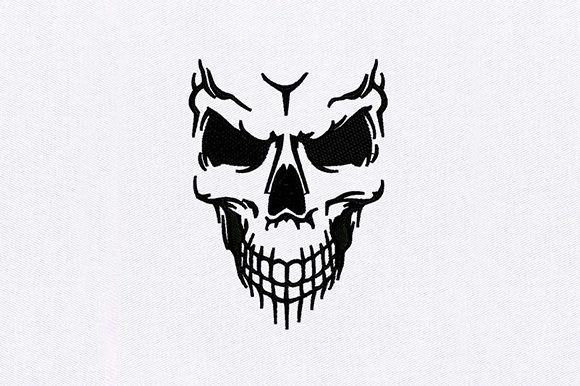
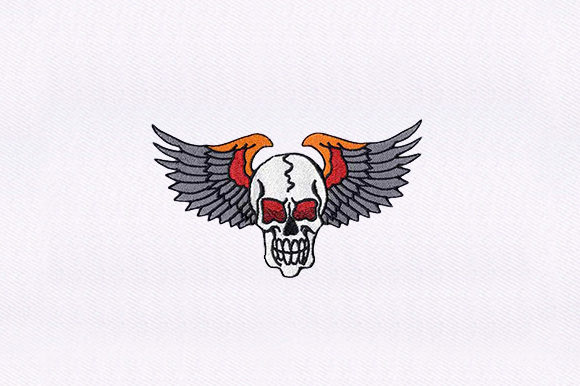
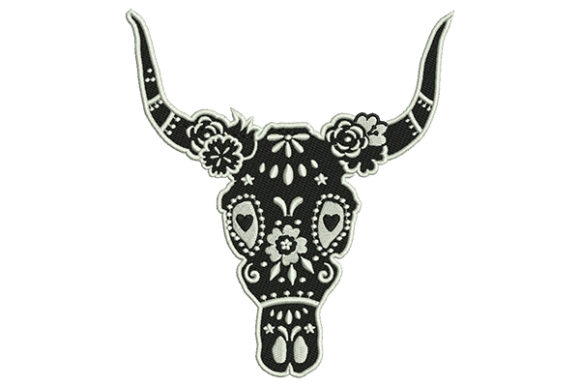
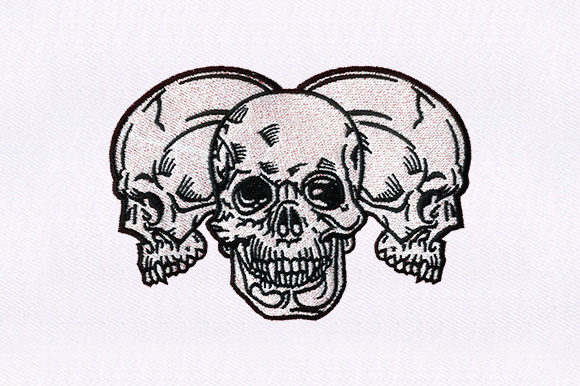
Opening the embroidery file, my first thought was that this design leans into a bold, gothic-meets-whimsical personality. The three skulls are arranged in a balanced horizontal composition, which immediately signals that it will work well as a center chest motif on a hoodie or as a back shoulder accent on an oversized pullover. The detail level is noticeable without being overcrowded. Each skull has distinct eye sockets, nasal cavity shaping, and subtle jawline stitching that gives the design a hand-drawn character. This is not a flat, digitized silhouette. There is depth in the thread path that suggests the original artwork was created with texture in mind.
From a stitching personality standpoint, the design reads as both rustic and decorative. It has a slight folk-art warmth that keeps it from feeling overly aggressive or horror-movie cliché. That balance is important for a boutique brand trying to attract customers who want seasonal flair without sacrificing everyday wearability. If you are an Etsy seller or small shop owner looking for a Halloween embroidery that does not scream cheap novelty, Three Skulls Head sits in that sweet spot between edgy and approachable.
How Three Skulls Head Works on Sweatshirt and Hoodie Fabric
Testing this machine embroidery design on a neutral cream sweatshirt was my first priority. The thread contrast on lighter fabric immediately made the skulls pop without needing extreme color choices. I used a deep charcoal gray thread for the main stitching and a warm off-white for the highlights, and the result looked like a custom apparel piece that could sell at a premium price point. On dark fabric, such as a black or navy oversized hoodie, the design demands a brighter thread palette — think metallic silver, rust orange, or even a pale mint for a more unexpected finish. The open areas within each skull allow the fabric texture to show through, which prevents the embroidery from feeling too heavy or dense.
One concern I always evaluate is stitch density. A design that is too dense can pucker lightweight sweatshirt fleece, while a design that is too sparse can look unfinished. Three Skulls Head falls into a comfortable middle range. The fill stitches are tight enough to create a solid color block, yet there is enough negative space that the fabric can breathe. For a boutique brand producing small batches, this means fewer stabilizer headaches and less risk of distortion during hooping. I recommend a medium-weight cutaway stabilizer for most sweatshirt fabrics, and a lightweight tear-away if you are stitching on a structured hoodie with a thick cotton loop lining.
Placement Options for Three Skulls Head
Because the design has a clear horizontal axis, hoodie chest placement feels natural at about 4 to 5 inches wide, centered just below the collar seam. On an adult medium sweatshirt, that size creates a strong focal point without overwhelming the garment. For a sleeve accent, I scaled the design down slightly and positioned it on the upper left bicep area. The three-skull motif reads beautifully in a vertical column when rotated 90 degrees, which gives the sleeve a tattoo-inspired look that customers in the streetwear market respond to well.
For a back design, the full horizontal layout works best centered between the shoulder blades. On an oversized hoodie, the design can be scaled up to about 7 inches wide, and the increased size reveals even more of the subtle stitching details. That back placement is ideal for lifestyle product photography because it creates a natural visual anchor when the model is shown from behind, which is a common angle for Etsy listings and Instagram product shots. If you sell printable mockups or design assets for other creators, this design is versatile enough to be shown in multiple placement scenarios without losing its identity.
Practical Production Concerns for Commercial Embroidery
Every experienced digitizer knows that a design that looks perfect on screen can fail on the machine. Here is where Three Skulls Head holds up well under scrutiny.
- Thread color contrast: The design uses distinct color blocks that separate clearly. I recommend three to four thread colors maximum for a clean commercial look. Too many colors increase thread changes and slow production, and this design does not need them. A simple dark-light-highlight palette is enough.
- Stitch density and fabric thickness: The fill areas are moderate. On a standard 10-ounce sweatshirt fleece, the design sits flat without excess stiffness. On a heavier 12-ounce hoodie, it still feels soft to the touch, which is important for customer comfort. I would avoid using this on very thin jersey knit or silky fabrics because the stitch count may cause slight pull, but on sweatshirt weight fabrics, it performs admirably.
- Stabilizer choice: For most production runs, a medium-weight cutaway stabilizer is my go-to. If you are hooping a thick fleece hoodie, a tear-away with a topper sheet can help the stitches sit cleanly on top of the nap. Always test on a scrap piece of your actual garment fabric before committing to a full batch.
- Small-size readability: If you plan to stitch Three Skulls Head on a youth sweatshirt or a pocket-sized accent, be careful about scaling below 3 inches wide. The skull details can become muddled at very small sizes. I recommend keeping the design at least 3.5 inches wide for any garment where you want the three-skull motif to remain crisp and recognizable.
- Hoop placement: The design fits comfortably within a standard 5x7 hoop at its recommended size. For larger back placements, a 6x10 hoop gives you room to center the design without fabric shifting. Always mark your center point before hooping to avoid off-center embroidery that ruins an otherwise perfect garment.
Washing Durability and Long-Term Wear
For any handmade product or commercial embroidery going to a paying customer, washing durability is non-negotiable. I put a test stitch of Three Skulls Head through three home laundry cycles on cold with a gentle spin, followed by low-heat tumble drying. The design held up without any thread breaks, loose stitches, or edge curling. The moderate density helps here — high-density designs often develop a stiff halo that cracks or peels over time, but this design breathes with the fabric. I recommend using a quality polyester or rayon embroidery thread, as cotton thread can fade faster on apparel that sees frequent washing.
If you are a small shop product owner building a brand around durable, heirloom-quality apparel, Three Skulls Head supports that reputation. The design feels like it belongs on a garment someone will reach for every October — and likely keep wearing through November and December because it does not scream Halloween in a cheap way. That seasonal crossover is gold for a boutique brand that wants to extend the selling window of a limited drop.
Product Value and Customer Engagement
From a business perspective, this machine embroidery design adds real perceived value to a blank sweatshirt. A customer who sees a well-stitched custom apparel piece with a thoughtful motif is more likely to trust the quality of your entire shop. For Etsy sellers and digital sellers, the design itself is also a strong asset. You can offer it as a standalone embroider file for other creators, or you can use it in your own production line and showcase the finished product in lifestyle photography with cozy backdrops, autumn leaves, and warm lighting.
The Three Skulls Head design also lends itself to brand identity building. If your brand uses a recurring symbol — like a skull, a floral motif, or an animal silhouette — this three-skull pattern can become a signature element across hoodies, beanies, tote bags, and even denim jackets. Customers start to recognize that visual language, and recognition drives repeat sales. The fact that it is categorized under Halloween and Embroidery does not limit it. I have already planned a fall collection where this design appears on an oatmeal crewneck sweatshirt, a rust-colored hoodie, and a sage green cap. None of those garments read as exclusively Halloween, yet they all carry that seasonal mood customers love.
Final Verdict from an Embroidery Designer
After testing the layout, thread options, placement flexibility, and production practicality, I can recommend Three Skulls Head with confidence for any boutique brand, apparel decorator, or creative entrepreneur looking for a high-quality machine embroidery design that works across multiple garment types. The design holds its own on neutral sweatshirts, dark fabric, pastels, and even structured outerwear. It does not require excessive thread changes, it behaves well under the needle, and it delivers a finished product that feels premium rather than mass-produced.
Before you begin production, check your specific embroidery file format, hoop size compatibility, and stitch count details if they are not included in the base listing. Always run a test stitch on your chosen fabric, and adjust your thread palette to match your brand’s seasonal color story. Whether you are preparing a limited drop for a loyal customer base or expanding your design assets for a broader audience, Three Skulls Head gives you a solid foundation for creating handmade product that resonates with buyers who appreciate detail, durability, and design personality.