Turtle Embroidery Design: A Hands-On Review for Handmade Sellers
As an embroidery designer who has prepped countless collections for weekend craft fairs and handmade markets, I have learned to evaluate a machine embroidery design not just by how it looks on screen, but by how it performs on real products, how it catches a customer's eye across a booth, and whether it earns its place in a batch production run. I recently spent time working with the Turtle design from the Reptiles category, stitching it onto several product blanks to see how it holds up for small shop owners, Etsy sellers, and anyone building a craft fair lineup around digital embroidery files. Here is my honest review from the designer's chair.
First Impressions: What Turtle Brings to the Booth
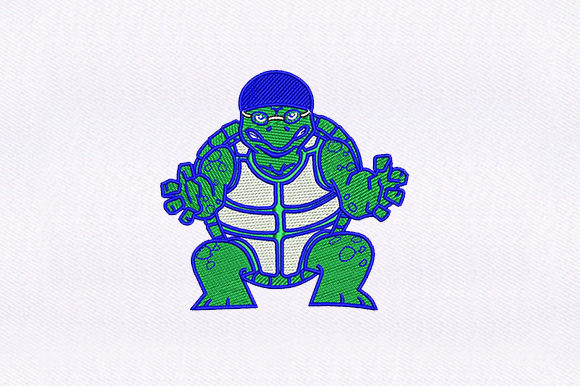
My first reaction to this embroidery design was that it lands squarely in the cute and nature-inspired sweet spot. It is not trying to be hyper-realistic or overly ornate. Instead, it carries a charming, slightly whimsical character that feels at home on handmade goods for children, nature lovers, gardeners, and anyone drawn to gentle reptilian motifs. The description promises a detailed embroidery that will look great on any fabric or clothes it is stitched on, and after working with it, I agree that it has broad appeal, but its true strength lies in how it reads at a glance. The shape is immediately recognizable as a turtle, which matters enormously when a customer is scanning your booth from three feet away. If you display a tote bag or apron with this stitched on it, the animal silhouette does the selling for you. There is no hesitation about what they are looking at, and that instant recognition is a powerful advantage for any craft fair product.
I would describe the mood as friendly, rustic, and slightly playful. It does not feel overly farmhouse, nor is it elegant or premium in a formal sense. It is more of a feel-good, approachable design that invites a smile. That makes it especially suitable for handmade markets where shoppers are looking for gifts with personality. The Reptiles category might suggest something bold or intimidating, but Turtle is gentle and sweet. That distinction matters when you are deciding where to place it in your product lineup.
How Turtle Performs on Real Craft Fair Products
I tested this machine embroidery design on several product types that are staples in my own booth: a cotton tote bag, a linen apron, a tea towel, a canvas cap, a small zippered pouch, and an embroidered patch. Each surface revealed something different about the design.
On the tote bag, Turtle really shines. The design has enough substance to stand alone as a focal point, but it is not so large that it overwhelms a standard tote. I placed it slightly above center, and the result was a product that felt complete without needing additional stitching. For a craft fair seller, that simplicity is a gift. You can produce these in batches quickly, and the visual impact is strong enough to justify a solid price point. Customers at handmade markets often gravitate toward tote bag designs that are cute but not childish, and Turtle walks that line well.
The apron embroidery test was equally promising. On a midweight linen apron, the design added a touch of personality without feeling theme-park-ish. I could see this working for a garden-themed booth, a children's cooking apron, or even a gift for a turtle-loving friend. The stitch detail held up well on the linen texture, and the design did not get lost in the fabric grain. That is not always the case with detailed embroidery designs, so this was a win.
Tea towel embroidery is another strong application. Turtle sits nicely on a standard towel panel, and because the design is not overly dense, it does not stiffen the fabric too much. That is important for a tea towel, which needs to remain flexible and functional. I would recommend using a lightweight stabilizer and testing stitch tension before committing to a large batch. The design reads clearly on lighter towel colors, but I advise caution with dark fabric, which I will discuss further in the careful-use section.
The embroidered patch version of Turtle was one of my favorite samples. Because the design has a contained shape, it works beautifully as a patch that can be ironed onto bags, jackets, or backpacks. Patches are easy to produce in volume, they photograph well for Etsy listings, and they give customers a low-cost entry point to your booth. Turtle as a patch felt substantial and well-proportioned. I would absolutely include it in a craft fair patch display.
I tested the design on a cap as well, and this is where I advise some caution. Curved cap surfaces can distort detailed embroidery designs, especially if there are tight stitch angles or small interior elements. Turtle handled the curve reasonably well, but I recommend using a cap hoop and a cutaway stabilizer to keep the registration clean. If you scale the design down to fit a cap front, ensure you review the stitch density and confirm that the smaller details hold their shape. On a standard cap, the design reads as a fun accent, but it may not have the same visual punch as it does on a flat tote or apron.
For small pouches and pillow covers, Turtle works as a charming accent piece. On a small pouch, it becomes a delightful surprise detail. On a pillow cover, it can be a standalone motif or paired with a simple text element for a gift set. I found that the design's proportions lent themselves well to both formats, as long as the hoop size was appropriate and the fabric was stable.
Selling Turtle: Visual Appeal and Buyer Engagement
From a selling standpoint, Turtle offers several advantages that directly impact your booth display and your online listings. First, it photographs beautifully. The shape is clear, the stitch detail catches light nicely, and the design does not rely on subtle shading that disappears in a smartphone photo. For Etsy sellers and anyone using printable mockups to list their finished products, that clarity is a major asset. You can shoot a tote bag in natural light and the turtle reads instantly. That means less time editing photos and more time focusing on production.
Second, the design encourages customer engagement. At a craft fair, people stop to look at the turtle because it triggers an emotional response. They remember a pet turtle, a child who loves turtles, or a garden visitor. That connection often leads to a sale, especially if you have the design available on multiple product formats. I recommend displaying at least three different products featuring Turtle on your booth table: a tote bag, a tea towel, and a patch. That variety shows shoppers the design's versatility and increases the chance they will find something that fits their gift need or personal style.
The handmade quality of this design also works in your favor. Because the stitch detail is clean and the design is well-proportioned, the finished product looks professional without feeling mass-produced. That is the sweet spot for craft fair customers. They want something that feels artisan-crafted but still polished. Turtle delivers on that expectation, provided you take the time to perfect your stitch settings.
For brand consistency, Turtle could easily become part of a nature-themed collection or a reptile-inspired series. If you build multiple products around this motif, your booth gains a cohesive look that helps customers remember you. I have seen sellers create entire displays around a single animal design, with totes, towels, pouches, and caps all featuring the same embroidery file. That strategy works because it builds visual repetition, which drives recognition and sales.
Practical Production Notes for Batch Runs
When you are preparing for a weekend craft fair, production speed matters. Turtle is a design that works well for batch production because it does not require excessive thread changes or complex hooping setups. The number of thread colors will determine how many needle changes you need, and the design description does not specify the exact count, so I strongly recommend reviewing the embroidery file before you start. Open it in your digitizing software and confirm the thread color sequence, the stitch count, and the recommended hoop size. If you own a single-needle machine, you will want to plan your production around minimizing color changes. If you have a multi-needle commercial embroidery machine, Turtle should stitch out efficiently in a production run.
The design's stitch density is another factor to check. From my test stitch-outs, the density felt appropriate for medium-weight fabrics, but I advise testing on your specific blanks. Dense stitch areas can cause puckering on lightweight fabrics or pull on stretchy knits. Use a quality stabilizer, and do not skip the test stitch. A quick test on scrap fabric saves you from wasting product blanks and gives you confidence that the design will stitch cleanly on your chosen items.
I also recommend making at least one real mockup before you list anything online or set up your booth. A printable mockup is useful for Etsy listings, but nothing replaces an actual stitched sample. Hold it in your hands, feel the texture, check the back for nesting or thread breaks, and see how it drapes on a tote bag or apron. That physical sample becomes your best sales tool at a craft fair. Customers want to touch the stitching, and a real product sample builds trust.
Careful-Use Notes Every Seller Should Know
No design is perfect for every surface, and Turtle has a few considerations that deserve your attention. First, dark fabric can be challenging. If the design uses lighter thread colors, you may need a layer of bobbin thread or a water-soluble topping to prevent the darker fabric from showing through. Test a stitch-out on dark fabric before committing to a batch of black tote bags or navy aprons. The contrast needs to be strong enough that the turtle's details remain visible from a distance.
Small details within the design, such as eye or shell markings, may lose clarity at smaller sizes. If you plan to downsize Turtle for caps, patches, or small pouches, re-review the digitizing to ensure those elements hold their shape. Tiny details that look fine at full size can become muddled or distorted when scaled down. If your digitizing software allows it, adjust the stitch angles or remove overly dense areas to preserve the design's integrity at smaller dimensions.
The design performed well on textured towels like tea towels and kitchen linens, but I recommend using a tear-away or wash-away stabilizer to keep the stitches crisp on the fabric surface. Towel loops can trap thread and cause registration issues, so a stabilizer layer is essential. Similarly, if you stitch onto thick fabric like canvas or denim, ensure your needle is sharp and your machine tension is adjusted to accommodate the added thickness. Dense stitch areas on thick fabric can cause needle breaks or skipped stitches if you are not careful.
For curved cap surfaces, I already noted that the design handles reasonably well, but you must use a cap hoop and a cutaway stabilizer. Avoid trying to stitch this design on a cap without proper hooping, as the results will likely disappoint. The design's shape can shift on the curve, so take the time to position it correctly and test the placement on a practice cap before production.
Designer Notes: Getting the Best from Turtle
Before you sell any finished product featuring Turtle, confirm your commercial licensing for the embroidery file. The design description states it is a machine embroidery design, but it does not specify license terms. Most digital embroidery file sellers offer commercial use rights with their designs, but you need to check the specific terms included with your purchase. Do not assume you can sell finished products without verifying the license. Respecting the designer's work ensures you protect your business and your reputation.
Thread contrast is another detail I always test. I recommend stitching a sample with the exact thread colors you plan to use in production. Sometimes colors that look distinct on screen blend together on fabric, especially under the warm lighting of a craft fair booth. I tend to choose thread combinations that create clear separation between the turtle's shell, body, and any accent details. High contrast helps the design pop from across a booth table and makes your products more photogenic.
Finally, hoop size and spacing matter more than many new sellers realize. Confirm that the design fits within your available hoop sizes before you plan large-scale production. If the design requires a larger hoop than you own, you may need to purchase one or adjust your product lineup. Also, check the spacing around the design edges to ensure it sits comfortably on your product blanks without crowding zippers, seams, or hems. Proper placement elevates the handmade look and prevents returns or unsatisfied customers.
The Turtle machine embroidery design is a versatile, appealing addition to any craft fair seller's library. It photographs well, stitches cleanly on a variety of products, and has the kind of approachable charm that drives customer engagement at handmade markets. With a few careful tests and thoughtful product selection, this design can become a reliable seller in your booth for seasons to come.