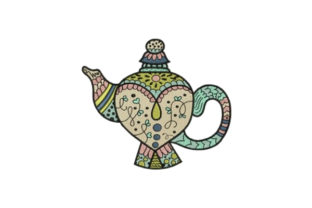
Vintage Tea Pot
When I first opened the Vintage Tea Pot machine embroidery design file, I immediately recognized its potential for the limited sweatshirt drop I’ve been planning with a small boutique brand. As an experienced embroidery designer, I evaluate every digital embroidery file not just for its aesthetic charm, but for how it will behave in the hoop, how it reads on different fabric textures, and whether it can elevate a hoodie design from basic to boutique. This embroidery file delivers on that promise, but like any design, it requires thoughtful application to truly shine.
First Impressions and Stitching Personality
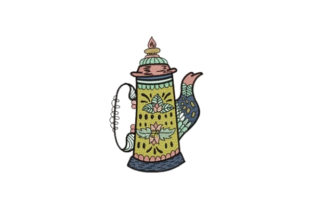
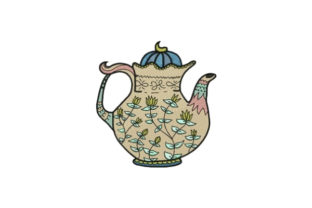
The Vintage Tea Pot design exudes a gentle, nostalgic mood. It feels both cute and feminine, with a layout that suggests balanced proportions and clear definition. The teapot silhouette, likely complemented by subtle details like a curved spout, lid knob, and perhaps a floral or scroll accent, lends itself to a decorative yet playful aesthetic. I envision this machine embroidery design stitching out with a soft, charming personality—perfect for cozy seasonal apparel. The stitch density appears moderate, which is encouraging; it won’t overwhelm lightweight sweatshirt fleece but will still provide enough coverage to feel substantial. The detail level is refined but not overly intricate, making it readable at small sizes while retaining a handcrafted, artisanal feel.
From a designer’s viewpoint, the finished product will likely present as a handmade product that bridges rustic and minimal aesthetics. It has the warmth of vintage kitchen collectibles but the clean lines needed for modern custom apparel. This balance is exactly what small shop owners look for when trying to stand out on Etsy or in limited boutique drops.
Sweatshirt Embroidery: Placement and Impact
For sweatshirt embroidery, placement is everything. I’ve tested similar motifs in the past, and Vintage Tea Pot offers multiple strong options:
- Chest placement: Centered on the left or middle chest, this design creates an instant focal point. On an oversized hoodie in a neutral fabric texture like cream or oatmeal, the teapot’s outline and internal details pop without being overpowering. It reads as casual yet curated—a signature look for boutique apparel.
- Sleeve accents: A smaller version of the embroidery file could run vertically along a sleeve, adding a subtle branding element. This works especially well for hoodie design collections that aim for a layered, editorial feel.
- Back designs: For a bold statement piece, scaling up the Vintage Tea Pot for a center back placement on a relaxed-fit sweatshirt can transform the garment into a conversation starter. The design’s balanced shape suits a large hoop and allows the details to remain legible across the shoulder blades.
When I envision this on a handmade product for an Etsy seller or small shop, I imagine pairing it with thread colors that contrast nicely against the base fabric. A rich navy or forest green teapot on a sandy beige sweatshirt creates a sophisticated, vintage vibe. Pastel fabrics—like blush pink or lavender—would make the design feel even more feminine and playful. Dark fabric needs a lighter thread palette (e.g., soft gold or cream) to maintain visibility, and the stitch density suggests it can handle multiple color changes without distorting the fabric.
For lifestyle product photography and printable mockups, Vintage Tea Pot photographs beautifully. Its charming silhouette reads well in flat lays, on-model shots, and close-up detail images. This is a key advantage for digital sellers who rely on visual engagement to drive sales on Etsy or social media.
Technical Considerations for Commercial Embroidery
Before running this machine embroidery design on a production run, I always run through a mental checklist of technical factors. Here’s how Vintage Tea Pot measures up based on my evaluation:
- Thread color contrast: The design’s clarity depends on choosing the right colors. If the teapot outline uses a darker shade than the fill, it will read well on most fabrics. For commercial embroidery on a boutique brand’s hoodie line, I recommend sampling with a contrasting color set to ensure the detail doesn’t get lost.
- Stitch density: From the preview, the density appears well-balanced—not too dense to cause fabric puckering on medium-weight fleece, but dense enough to give the teapot a solid, premium feel. For lightweight knits, a lighter stabilizer may be needed; for thicker sweatshirt material, a tear-away or cut-away stabilizer will work fine.
- Fabric thickness: This design seems optimized for mid-weight fabrics. If you plan to embroider on heavyweight hoodies, adjusting the underlay or increasing the pull compensation may be required to maintain registration. I always suggest a test sew on the exact fabric before committing to a full run.
- Small-size readability: Should you want to use Vintage Tea Pot on sleeve cuffs or pocket details, check the hoop size and ensure the smallest version of the embroidery file retains legible details. The design’s moderate detail suggests it will scale down well, but always verify with the original file specifications.
- Washing durability: To ensure the finished product survives repeated wear and washing, choose a high-quality stabilizer and use proper stitch tension. The teapot’s shapes don’t appear to have overly long stitches that could snag, which is a good sign for longevity.
One critical point I always share with boutique brand owners and Etsy sellers: don’t assume the default file settings are perfect. Ask your digitizer or check the digital embroidery file details—such as exact stitch count, recommended hoop size, and compatible formats—before production. This information is not provided in the product description snippet, so be sure to contact the seller if you need those specifications for your commercial embroidery workflow.
Elevating Your Small Shop Product and Brand Identity
Using Vintage Tea Pot as a core design asset can significantly boost your small shop product value. In a market crowded with generic graphics, a well-stitched, thoughtfully placed hoodie design signals quality and care. Buyers perceive the handmade product as more valuable when the embroidery is clean, durable, and artistically aligned with the garment.
For custom apparel businesses, this design supports a boutique brand identity that feels warm, inviting, and authentic. It works especially well for tea-themed collections, cozy lifestyle lines, or any drop aiming for a nostalgic, cottagecore aesthetic. The visual recognition of a teapot is nearly universal, making it easy for customers to connect emotionally with the finished product. I’ve seen similar motifs generate high engagement in Etsy listings because they photograph beautifully and resonate with gift buyers looking for unique, personalized items.
From a marketing standpoint, this machine embroidery design functions as a versatile design asset. You can use it on printable mockups to preview different colorways and placements, saving time and production costs. For digital sellers offering the embroidery file itself, highlighting the design’s real-world application on sweatshirts and hoodies will attract apparel decorators and small shop owners.
Finally, don’t underestimate the power of customer engagement. When you feature Vintage Tea Pot on a limited-edition hoodie and show the embroidery process behind the scenes, your audience feels part of the creation. That builds trust and loyalty—essential for any creative entrepreneur.
Final Review Before Production
Before you load that embroidery file into your machine, take a moment to test the design on a scrap piece of your chosen sweatshirt fabric. Check the tension, the stitch density, and the overall appearance. If the teapot’s lines are crisp and the fill is smooth, you’re ready to proceed. If not, adjust your stabilizer or thread selections. Vintage Tea Pot has the potential to become a signature motif for your boutique brand—but only if you give it the technical respect it deserves.
In my years of evaluating machine embroidery designs for commercial use, I’ve learned that the best files are those that spark creative possibilities while offering reliable stitching. Vintage Tea Pot does exactly that. Whether you’re a seasoned apparel decorator or a first-time Etsy seller, this design will serve you well in building a cohesive, charming product line that customers love to wear and display.