Attacking Tiger: An Embroidery Designer's Honest Review
A Designer's First Look at Attacking Tiger
When I first opened the Attacking Tiger embroidery file from Creative Fabrica, I was curious to see how this Wild Animals category design would translate into real stitch work. The product description promises a high-quality machine embroidery design that looks great on fabric or clothing, and as someone who has digitized and stitched hundreds of animal motifs over the years, I approached this one with a mix of anticipation and healthy skepticism.
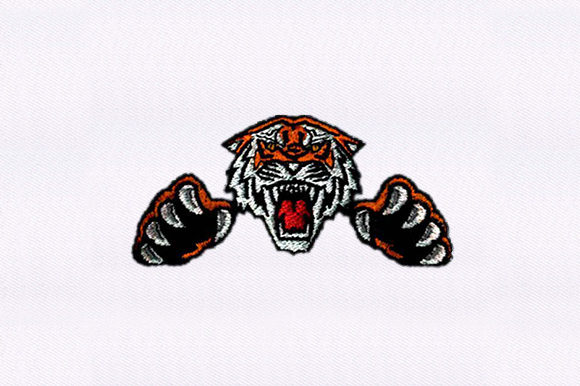
The visual mood of Attacking Tiger is bold and assertive. This is not a cute, cartoonish tiger cub. It captures a moment of tension and power—the kind of design that demands attention on a finished product. The detail level sits somewhere between a realistic portrait and a stylized illustration, which gives it a broad decorative appeal. The stitching personality leans dramatic, with strong lines and a sense of motion that could elevate a simple garment or accessory into something more striking.
From a commercial standpoint, I immediately started thinking about which products would carry this energy best. An embroidered patch on a canvas tote bag. A large chest placement on a heavyweight sweatshirt. A centered motif on a throw pillow cover for a modern living room. The design naturally fits projects where the customer wants to make a statement.
Real Project Applications for Attacking Tiger
After running a test stitch on mid-weight cotton twill, I spent time imagining Attacking Tiger across the range of products I regularly produce for my shop and for client orders. Here is where I see this machine embroidery design fitting best:
- Custom apparel: A back-of-jacket placement or front-center chest design on a sweatshirt or hoodie gives the tiger room to breathe. The dramatic lines work well on solid-color garments, especially black, charcoal, olive, or cream.
- Tote bag design: On a structured canvas tote, Attacking Tiger becomes a conversation piece. The bold silhouette holds up well against the heavier fabric, and the design does not get lost in the bag's scale.
- Embroidered patch: For sew-on or iron-on patches, this design has the right density and shape. It would stand out on a denim jacket or a backpack without needing additional elements.
- Pillow covers and home decor: A decorative pillow with Attacking Tiger centered on the front panel adds an edgy touch to a couch or bed. It also works well as a nursery accent for a wildlife-themed room, though smaller hoop sizes become a consideration.
- Kitchen towels and aprons: I tested a smaller version on a flour sack towel, and the design kept its clarity. It would appeal to customers who want unique handmade gifts for someone with a bold style.
- Caps and curved surfaces: This is where careful hooping becomes essential. The design's shape and stitch density need proper stabilization to avoid distortion on the curved cap surface.
- Baby items and nursery decor: While the "attacking" pose may seem intense for a baby blanket, many parents appreciate strong animal imagery for nursery decor. A soft color palette could soften the mood, but the design remains inherently dramatic.
For Etsy sellers, boutique merchandise, and craft fair products, Attacking Tiger offers a distinctive option that stands apart from generic floral or script designs. It has the kind of visual pull that stops a shopper scrolling or walking past a booth.
Performance Considerations for Real Embroidery Work
Any experienced embroiderer knows that a design's appeal on screen does not always match its performance under the needle. Attacking Tiger requires attention to several practical factors before you commit it to a finished product.
Stitch Density and Fabric Choices
The fill stitch and satin stitch areas in this design create a solid, dense result. On stable fabrics like canvas, denim, or medium-weight cotton twill, the design stitches out cleanly with minimal puckering. On stretchy fabric such as jersey knit or lightweight sweatshirt fleece, you will need a cutaway stabilizer and likely a lightweight topping to prevent the stitches from sinking. I always recommend testing on scrap fabric before stitching the actual product, especially with a design that has layered details.
Thread color contrast plays a significant role in how Attacking Tiger reads. Dark thread on light fabric is the most dramatic combination. Light thread on dark fabric can work if the contrast is high enough, but I found that the design loses some of its impact when stitched with pale colors on a mid-tone background. Check your mockups on both light and dark fabric before finalizing the thread palette for a customer order.
Hoop Size and Small Details
The product page for Attacking Tiger on Creative Fabrica should list the recommended hoop size and design dimensions. Before buying or stitching, confirm that the design fits your available hoop sizes and your intended product placement. If you plan to stitch the design on a cap or a baby onesie, verify that the dimensions work for those curved or small surfaces. I made the mistake of assuming a design would fit a standard cap hoop once, and I have not made that assumption since.
Small detail areas within the design, such as the eyes and facial contours, rely on running stitch and narrow satin stitch elements. These can blur or lose definition if the fabric is too textured or if the stabilizer is inadequate. On terry cloth, fleece, or other high-pile fabrics, you may lose the clarity of these smaller features. A lightweight tear-away stabilizer is not sufficient here. Opt for a cutaway stabilizer with a firm hand.
Washing and Durability
For products that will see frequent washing—kitchen towels, baby blankets, aprons, or everyday apparel—the stitch density of Attacking Tiger should hold up well if the design is properly digitized. The fill stitch areas provide coverage, but dense stitching can also lead to shrinkage or distortion if the stabilizer is not matched to the fabric. Always pre-wash your fabric and test a finished sample through at least one wash cycle before listing the product or delivering it to a client.
Commercial Viability and Product Value
For handmade shop owners, Etsy sellers, and creative entrepreneurs, the decision to use Attacking Tiger comes down to whether it adds value to your product line. A well-stitched tiger design on a quality garment or accessory can command a higher price point than a simple monogram or a generic floral. The visual appeal of a Wild Animals motif like this one resonates with customers who are looking for unique, personality-driven handmade products.
Brand consistency matters here. If your shop focuses on soft, pastel, minimalist designs, Attacking Tiger may feel out of place. If your brand leans bold, adventurous, or nature-inspired, this design fits naturally. For boutique merchandise and craft fair products, having a standout animal design in your catalog can attract a different customer segment—one that is willing to pay for originality.
Product photography also benefits from a design with strong visual character. Attacking Tiger photographs well on a flat lay or a styled mannequin, which helps with Etsy listings and printable mockups. The design's dramatic lines create a clear focal point in product images, which can improve click-through rates and customer engagement.
Giftability is another factor. This design works well for personalized gifts for someone who loves wildlife, fitness wear with attitude, or unique home decor. An embroidered sweatshirt or tote bag featuring Attacking Tiger makes a memorable present that feels custom and intentional rather than generic.
Practical Embroidery Notes Before You Buy
Before downloading Attacking Tiger from Creative Fabrica and stitching it on a customer's order, take these steps:
- Test on scrap fabric that matches your intended product material. Check the stitch-out for any gaps, uneven density, or thread breaks.
- Check thread color contrast by stitching the design in your chosen thread palette on both light and dark fabric remnants. Some colors that look good on screen may not translate well in thread.
- Review stitch density after the test stitch. If the design feels too stiff or heavy for your fabric, consider using a lighter stabilizer or adjusting the underlay if your software allows it.
- Confirm hoop size and design dimensions on the Creative Fabrica product page. Make sure the design fits your machine's hoop and your intended product placement.
- Compare light and dark fabric mockups using a printable mockup or a quick digital overlay before stitching a full production run.
- Use proper stabilizer based on your fabric type. Cutaway for stretchy or knits, tear-away for stable wovens, and a water-soluble topping for textured or lofty fabrics.
- Inspect small details after stitching—the eyes, whiskers, and any fine satin stitch elements. If they are not crisp, adjust your stabilizer or needle choice.
- Confirm file details and licensing on the Creative Fabrica product page. Understand the usage rights for commercial embroidery before selling finished products. Some digital embroidery file licenses restrict how many items you can sell or require attribution.
Final Thoughts on Attacking Tiger for Real Projects
Attacking Tiger is a machine embroidery design that delivers on its promise of high-quality stitching and strong visual impact. It is not a delicate, subtle motif. It is bold and assertive, and it earns its place in the Wild Animals category. For custom apparel, tote bags, patches, pillow covers, and other statement products, this design can add real value to your handmade product line.
The key to success with this embroidery file is preparation. Test before you stitch. Choose your fabric and stabilizer carefully. Confirm the hoop size and dimensions. And always check the licensing terms on Creative Fabrica before selling finished items. If you take those steps, Attacking Tiger can become a reliable design asset in your shop's catalog for both personalized gifts and commercial embroidery projects.
If your customers are looking for something bold and unforgettable, this tiger delivers.