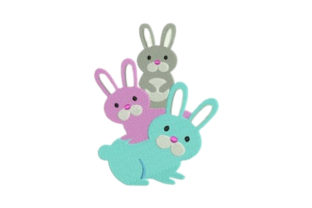
Bunny: A Design Review for Boutique Sweatshirt Embroidery
First Impressions of the Bunny Machine Embroidery Design
When I first opened the Bunny embroidery file for review, I was immediately struck by its charm and simplicity. As someone who has digitized and stitched hundreds of designs for boutique apparel, I know that the best machine embroidery designs walk a fine line between cute and commercial. Bunny does exactly that. It is adorable without being childish, playful without being sloppy. For a small shop product aimed at kids or anyone who loves soft animal motifs, this digital embroidery file delivers the kind of clean, recognizable imagery that sells well on custom apparel.
The design reads clearly at a glance. There is no confusion about what it is. That direct visual communication is essential for Etsy sellers and boutique brands who need their finished product to stop a shopper mid-scroll. Bunny feels intentional, the kind of design asset that builds trust with a customer before they even feel the fabric.
Mood, Layout, and Stitching Personality
Bunny brings a gentle, cozy mood that fits perfectly with sweatshirt embroidery. It is not loud or aggressive. Instead, it feels warm, rustic, and slightly whimsical. The stitching personality leans toward the delicate side, which means it works beautifully on pastel fabrics, cream sweatshirts, and soft heather greys. It also holds its own on darker fabrics if you choose the right thread color contrast. For a boutique brand building a limited drop around seasonal comfort, this design feels right at home.
The layout is compact and centered, which is exactly what I look for in a hoodie design. It does not have sprawling elements that will fight with seams or pockets. Bunny sits neatly where you place it, whether that is the center chest of an oversized hoodie or the upper back of a fitted crewneck. There is enough detail in the ears and face to feel premium, but not so much that the embroidery becomes stiff or heavy.
Placement Options for Sweatshirt Embroidery
One of the first questions I ask about any embroidery file is where it can go on a garment. Bunny offers several strong options for sweatshirt embroidery:
- Chest placement: This is the most obvious and effective use. Centered on the left chest or directly in the middle of a hoodie, Bunny becomes the focal point of the garment. It sits well between the pockets of a classic sweatshirt and does not interfere with ribbing.
- Sleeve accents: For a more subtle look, Bunny can be embroidered on the upper sleeve. This works especially well for coordinating family sets or adding a small decorative touch to an otherwise plain piece.
- Back designs: While Bunny is not oversized, it can be scaled slightly for a centered back placement on children's sweatshirts. It keeps the back clean and readable without overwhelming the garment.
- Yoke or shoulder: On baby bodysuits or toddler hoodies, placing Bunny near the shoulder creates a sweet, unexpected detail that parents love.
For lifestyle product photography, Bunny photographs beautifully because it is recognisable and photogenic. It will look strong in mockup previews and Etsy listings, helping your custom apparel stand out in search results.
Thread Color Contrast and Fabric Considerations
Choosing the right thread colors is critical for any machine embroidery design. Bunny is forgiving because its shape is clear, but you still need to think about fabric texture and contrast. On a light cream or blush sweatshirt, a soft brown or charcoal grey thread keeps the design feeling organic and boutique. On a dark navy or black hoodie, a bright white or pale pink thread makes Bunny pop without losing its soft personality.
If you are selling to an Etsy audience that loves neutral tones, thread colors like oatmeal, sage, or dusty rose will keep Bunny feeling modern. For a more playful look, pastel rainbow thread changes can turn this into a whimsical piece. I recommend testing your top three thread color options on a scrap of your actual fabric before committing to production. The same machine embroidery design can feel completely different depending on the palette you choose.
Bunny is described as working on any fabric, and I agree with that assessment. However, I caution anyone using it on very stretchy knits or lightweight jersey. Those fabrics require extra stabilizer and careful hooping to keep the stitches from distorting. For sweatshirt embroidery, which is typically done on stable fleece or French terry, Bunny will perform beautifully with standard tear-away or cut-away stabilizer.
Stitch Density, Stabilizer, and Fabric Thickness
From a technical standpoint, stitch density is one of the most important factors in whether a design feels premium or cheap. Bunny appears to have moderate stitch density, which is ideal for commercial embroidery. It will not be overly thick or stiff, and it should not cause excessive shrinkage or puckering on medium-weight sweatshirt fabric.
For a boutique brand producing a limited drop, I recommend using a cut-away stabilizer for the best washing durability. Bunny will hold its shape through repeated wear and laundering if it is properly supported. Tear-away stabilizer can work for one-time wears or gifts, but if you are selling these as handmade products, invest in the extra cost of cut-away. Your customers will notice the difference when their sweatshirt still looks good after a season of use.
Fabric thickness matters as well. On a heavy-weight hoodie, Bunny will sit flush and feel substantial. On a lighter pullover, you may want to reduce the stitch density slightly or use a softer thread to avoid a stiff patch. Always test your hoop size and stabilizer combination on your actual fabric before stitching the final product.
Hoop Size and Small-Size Readability
One concern I have with any detailed machine embroidery design is how it reads at small sizes. Bunny has enough facial detail that shrinking it too much could cause the features to blur. If you plan to place this on baby clothes or toddler accessories, check the recommended hoop size and test a small stitch-out before selling. The design should remain crisp and recognizable even at a smaller scale.
For hoodie design on adult or youth sizes, I suspect Bunny will fit comfortably in a standard 4x4 or 5x7 hoop. That makes it accessible for most home embroidery machines and small shops. If you are using a multi-needle commercial machine, you can easily scale it up for a bolder statement on the back of a sweatshirt. Just remember that scaling an embroidery file beyond its original digitizing dimensions can affect stitch quality. If you need a larger version, consider purchasing a properly digitized large-format file.
I always remind fellow embroiderers to check the file format and license terms before production. The description confirms multiple embroidery file formats are included, which is essential for selling to a broad audience. But if specific hoop sizes or stitch counts are not listed, contact the designer or test the file yourself before running a batch.
Washing Durability and Commercial Apparel Use
For a boutique brand, the longevity of the finished product directly affects buyer trust. Bunny, when stitched with quality thread and proper stabilizer, should hold up well to machine washing. The design does not appear to have overly long stitches that could snag, nor does it have dense fill areas that might trap water or distort over time.
I recommend instructing your customers to turn their sweatshirts inside out before washing and to avoid fabric softener, which can break down embroidery thread over time. If you include a simple care card with your handmade product, you will reduce the risk of returns and build confidence in your brand. A design like Bunny, which feels durable and well-constructed, helps position your small shop product as something worth investing in.
How Bunny Affects Product Value and Brand Identity
Choosing the right design assets for your apparel decorator business is about more than just aesthetics. Bunny has the potential to elevate a basic sweatshirt into a signature piece. For an Etsy seller, this could mean higher perceived value and the ability to price your product at a premium. For a boutique brand building a visual identity, a recognizable motif like Bunny creates consistency across your collection.
Customers who buy a Bunny-embroidered hoodie are not just buying a piece of clothing. They are buying the feeling of handmade care and the charm of a thoughtful design. That emotional connection drives repeat sales, word-of-mouth marketing, and strong reviews. In a crowded market of custom apparel, small details like thread color choices, placement precision, and design uniqueness set you apart.
Bunny also works well as a unisex baby animal design, which expands your target audience. It appeals to both boys and girls, parents and grandparents, and anyone looking for a gentle, playful motif for their little ones. That broad appeal makes it a smart investment for your digital embroidery file library.
Final Thoughts for the Boutique Brand
After reviewing Bunny as a professional embroidery designer, I can confidently say this machine embroidery design is a strong choice for a limited sweatshirt drop. It is cute but not saccharine, detailed but not dense, and versatile enough to work across multiple garment types and fabric textures. The key to making it shine lies in your production choices: thread color, stabilizer, hoop size, and placement all matter.
Test your setup, trust your fabric, and let Bunny speak for itself. For a small shop product aimed at families, this embroidery file offers exactly the kind of heartwarming appeal that builds a loyal customer base. Whether you are stitching for your own boutique brand or selling design assets to other creators, Bunny is a reliable, photogenic, and commercially viable design that deserves a spot in your collection.
As always, verify the specific hoop size, stitch count, and file format details before you begin production. Once you do, you will have a finished product that feels premium, looks adorable, and sells itself.