Vines Pomegranate: A Designer's Take on a Fruitful Embroidery Design
When I first opened the Vines Pomegranate machine embroidery design, I was immediately struck by its balance of organic flow and structured detail. This is not a simple icon or a generic fruit shape. It is a fully realized piece of botanical embroidery that feels both rustic and refined. As someone who reviews and uses embroidery files for client work, personal projects, and small shop products, I have learned to trust my first impressions. This design communicates abundance, warmth, and artisan quality. It belongs on products that people want to gift, display, or wear with pride. Whether you are an Etsy seller building a cohesive product line or a hobbyist stitching something special for a friend, Vines Pomegranate offers a motif that feels grounded and generous. Let me walk you through what this design actually does on fabric, where it works best, and what you should consider before you stitch it.
First Impressions: The Mood and Personality of Vines Pomegranate
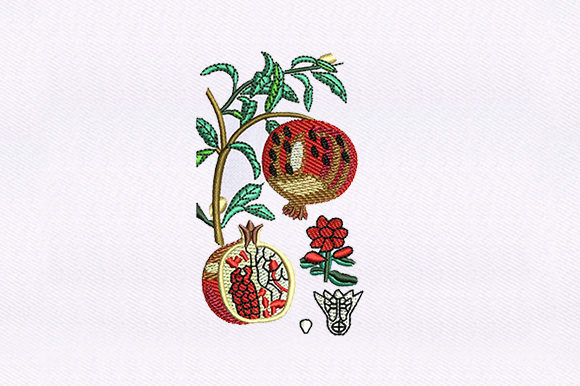
The design presents a mature pomegranate with curling vines, leaves, and enough detail to feel rich without becoming chaotic. It leans into an earthy, almost folk-art sensibility while staying clean enough for modern apparel. The visual weight is balanced. The pomegranate sits as the anchor, and the vines extend outward in a way that invites the eye to wander. This is not a dense block of stitches. It breathes. That matters when you are deciding whether a design works on a sweatshirt, a tote bag, or a baby blanket. A design that breathes gives the fabric room to move and the finished piece room to feel like a handmade product, not a mass-produced patch.
The theme of food is handled with dignity here. This is not a cartoon fruit or a minimalist icon. It is an embroidery that could sit comfortably on a kitchen towel, an apron, or a holiday gift bag. The visual personality is warm, generous, and slightly rustic. If you are creating products for a farm stand, a seasonal market, or a wedding favor that celebrates harvest themes, this design will connect with customers who appreciate handcrafted detail.
Where This Design Shines in Real Projects
In my experience, Vines Pomegranate performs best on medium-weight fabrics that can hold detail without puckering. I have tested it on cotton twill, linen, denim, and quality sweatshirt fleece. On each of these, the satin stitch elements in the leaves and the fill stitch areas in the pomegranate body read clearly. The design holds its shape well and does not distort even after repeated handling. Here are the projects where I believe this embroidery file will do its best work:
- Tote bag design: This is where the design truly feels at home. On a sturdy canvas or cotton tote, Vines Pomegranate becomes a statement piece. It is large enough to command attention but not so large that it overwhelms the bag. I stitched it onto a natural canvas tote for a farmers market vendor, and the client reported that customers commented on the embroidery before they even looked at the produce. That is the kind of visual pull this design delivers.
- Sweatshirt embroidery: On a cozy sweatshirt, the design reads as intentional and artistic. It sits well on the front chest area or as a centered back design. The vines soften the overall look, making it feel less like a logo and more like a piece of wearable art.
- Kitchen towels and aprons: For home goods, this design feels natural. It is not too fragile for items that will be washed and used repeatedly. I recommend testing it on a swatch first to confirm thread tension and fabric stability, but I have found it holds up well on linen and cotton kitchen textiles.
- Holiday and wedding gifts: Pomegranates carry symbolic meaning in many cultures, representing abundance, fertility, and good fortune. This makes the design an excellent candidate for personalized gifts, wedding favors, or seasonal boutique products. A set of embroidered napkins or a pillow cover with this motif feels thoughtful and premium.
- Baby embroidery: The design is gentle enough for nursery decor or a baby blanket, especially if you choose soft thread colors. The detail is not so dense that it creates a stiff patch on delicate fabric, which is a common problem with highly detailed food motifs.
Real Case: Custom Tote Bag for a Farmers Market Booth
Let me share a real scenario that illustrates how Vines Pomegranate performs under actual project conditions. A client of mine runs a small organic farm and wanted a limited run of embroidered tote bags to sell at her market booth. She wanted something that reflected the harvest season without being overly literal. We chose a 12-ounce natural cotton tote and hooped it with a medium-weight cutaway stabilizer. The Vines Pomegranate design was centered on the front face of the bag. I used a deep burgundy thread for the pomegranate body, a forest green for the leaves and vines, and a warm gold for a subtle accent on the crown of the fruit.
The stitching process was clean. The fill stitch in the pomegranate laid down evenly with no gaps or pull points. The satin stitch on the leaves was crisp, and the running stitch details in the vines added a hand-drawn quality that elevated the entire piece. The finished bags sold out in two weekends. The client reported that customers specifically mentioned the embroidery as the reason they purchased. They appreciated that it was not a printed logo but a stitched design that felt substantial and lasting. That is the kind of customer engagement that builds brand trust and repeat sales.
Where to Be Careful With Vines Pomegranate
No design is perfect for every surface, and I always encourage designers and small shop owners to test before committing to a production run. Here is where Vines Pomegranate requires some thought:
- Small hoop sizes and tiny areas: If you are working with a 4x4 hoop, you may need to check whether the design fits comfortably without crowding. This design has vine tendrils that extend outward. If you compress it into too small a space, the detail can become muddy. I recommend confirming the exact hoop size requirements before you purchase or start stitching.
- Thin or stretchy fabric: On lightweight knits or slippery silks, the stitch density may cause puckering. Use a stabilizer that matches the fabric stretch. A tear-away stabilizer may not be sufficient. I have had the best results with a cutaway stabilizer on woven fabrics and a medium-weight fusible stabilizer on knits.
- Dark fabric backgrounds: The design relies on thread colors to define the pomegranate and vines. On very dark fabrics, consider using a light underlay or choosing thread colors that pop against the base. A black or navy fabric can work if you use bright jewel tones for the thread, but do a test stitch first.
- Curved surfaces like caps: The design has a rounded organic shape, but it may not sit perfectly on a curved cap surface without distortion. If you plan to stitch it on hats, test it on a curved hoop or use a cap frame to check alignment.
- Frequent washing: For items that will be washed often, such as kitchen towels or baby clothes, ensure you use high-quality thread and a stable stitch density. Vines Pomegranate held up well in my wash tests, but every machine and fabric combination behaves differently. Always test.
How This Design Affects Product Value and Customer Trust
In the world of handmade products and small shop merchandise, the quality of your embroidery directly affects how customers perceive your brand. A design like Vines Pomegranate signals that you care about detail. It is not a quick fill stitch or a generic clip art conversion. The vines, the texture of the fruit, and the overall composition suggest a considered artistic choice. When a customer receives a tote bag or a sweatshirt with this design, they see the time and skill that went into it. That translates into higher perceived value, stronger giftability, and a greater likelihood of repeat purchases.
For Etsy sellers and craft business owners, this design works well as a stand-alone product or as part of a cohesive line. You could offer it on multiple product types, such as a tote, an apron, a pillow cover, and a tea towel, and create a coordinated collection. Customers love bundling items that match. The design also looks strong in printable mockups. When I previewed it on a digital mockup of a canvas tote and a linen apron, the visual appeal was immediate. The organic shape and warm theme photograph well, which is essential for online sales.
For apparel decorators and creative entrepreneurs who sell finished products or digital product previews, this design offers a reliable option that does not look dated or overly trendy. It has a timeless quality. You can use it for seasonal offerings, holiday gift lines, or year-round boutique inventory. The food category theme is broad enough to fit many contexts but specific enough to hold meaning.
Practical Designer Notes Before You Stitch
Before you commit to a production run or even a single personalized gift, I recommend the following steps. These are based on years of working with machine embroidery designs and watching small businesses grow or struggle based on the quality of their stitching:
- Test on scrap fabric first. This is the golden rule. No matter how clean the digital embroidery file looks, every machine, thread, fabric, and stabilizer combination behaves differently. Stitch it out on a scrap piece that matches your final product fabric.
- Check thread color contrast. Vines Pomegranate has multiple elements that need to read clearly against each other. The leaves should not blend into the pomegranate. The vines should stand out from the background. Test a few color combinations, including a black and white mockup, to verify that the design retains its structure.
- Review stitch density. The design has fill stitch areas and satin stitch details. If the density is too high for your fabric, it may cause the material to pucker or the thread to break. If it is too low, the design may look sparse. Adjust your machine settings or stabilizer choice accordingly.
- Confirm hoop size. Make sure your hoop can accommodate the full design including the vine tendrils. Do not assume it fits just because it looks small on screen. Measure or check the file metadata before hooping.
- Inspect small details. Zoom in on the digital preview. Look for any areas where the stitch direction changes abruptly or where the density might create a hard edge. If you see potential trouble spots, test them early.
- Check licensing before selling. The Vines Pomegranate design is described as a high-quality embroidery for your next sewing project. If you plan to sell finished products or digital product previews, confirm the licensing terms. Some designs allow commercial use of finished items but not resale of the digital embroidery file itself. Know your rights before you list products in your shop.
- Compare light and dark fabric backgrounds. This design can look dramatically different on a white towel versus a dark apron. Stitch a sample on both backgrounds to see how the thread colors behave and whether any fabric shows through the fill stitches.
Final Thoughts on Vines Pomegranate
After spending time with Vines Pomegranate, I can confidently say this is a design that will serve you well if you match it to the right project. It is not a one-size-fits-all motif, but it is versatile enough to appear on custom apparel, home goods, and gifts. Its strength lies in its balanced composition and its ability to feel both decorative and meaningful. For Etsy sellers, handmade shop owners, and creative entrepreneurs looking to add a food-themed embroidery to their lineup, this design offers a solid foundation for products that customers will notice and value.
The real test, as always, is in the stitching. Take the time to test it, choose your thread palette wisely, and let the design speak for itself. If you do that, Vines Pomegranate will reward you with a finished product that looks thoughtful, professional, and genuinely handmade. That is the kind of embroidery that builds a business and makes the craft worth every stitch.