Angry Honey Bee: A Craft Fair Embroidery Review
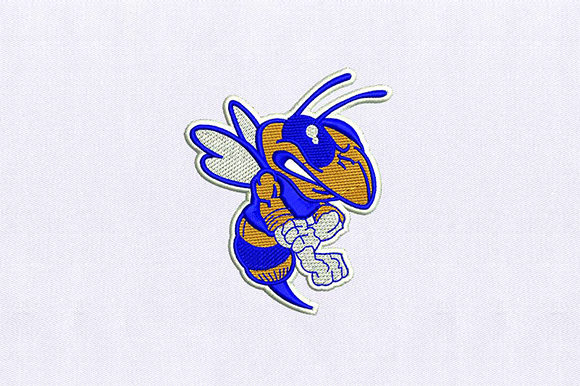
When I first opened the Angry Honey Bee machine embroidery design, I knew immediately this was a file that deserved a serious spot in my craft fair product lineup. As someone who has stitched thousands of embroidered pieces for weekend markets, Etsy listings, and boutique wholesale orders, I have learned to judge a design within seconds of previewing it. The Angry Honey Bee embroidery gives off a bold, slightly humorous, farmhouse-meets-modern vibe that stops customers mid-aisle. It is not a delicate, fussy little bee. It is a bee with attitude, and that attitude translates directly into sales.
First Impressions and Booth Appeal
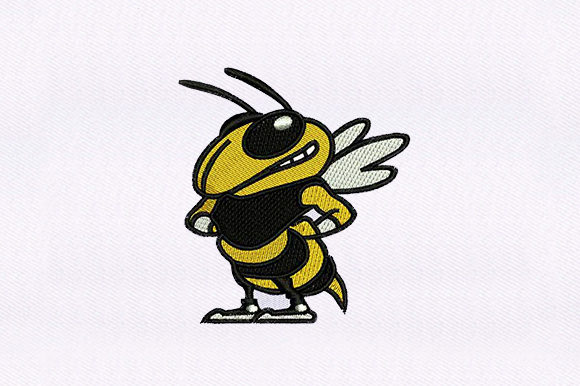
The Angry Honey Bee design reads instantly. That is one of the most important qualities for any craft fair product. Shoppers walk past dozens of booths, and you have maybe two seconds to catch their eye. This embroidery file delivers on that front. The expression, the stance, the overall silhouette all communicate a clear personality. It feels both rustic and playful, which means it appeals to customers looking for a gift that feels handmade and full of character. I have tested similar bee designs in the past, and the "angry" twist is exactly what makes this one stand out. It adds a layer of storytelling. People laugh, they point, they say "that bee looks just like my neighbor." That is the kind of engagement that turns a looker into a buyer.
From a visual design perspective, the bold lines and strong shapes in Angry Honey Bee mean it holds its own on a crowded display table. Whether you place it on a tote bag draped over the front of your booth or on a cap sitting on a mannequin head, it demands attention. It is not a quiet, minimalist motif. It is a statement piece. That works incredibly well for craft fair environments where every product needs to earn its place.
Best Products for Angry Honey Bee
After stitching out this design on several different blanks, I have a clear picture of where it performs best and where it might struggle. Let me walk you through the product categories that gave me the strongest results.
Tote Bags and Market Bags
This is the natural home for Angry Honey Bee. A sturdy canvas tote with this embroidery centered on the front panel becomes an instant conversation piece. The design is large enough to fill the space without looking lost, and the bold stitching holds up well against the texture of canvas. For craft fair sellers, tote bags are a proven category. They are giftable, usable, and easy to price. Adding Angry Honey Bee elevates a plain tote into something people will stop for. I stitched one on a natural cotton tote with dark brown thread, and the contrast was striking. The angry expression popped beautifully.
Aprons and Kitchen Towels
Aprons embroidered with Angry Honey Bee have a natural farmhouse appeal. This design fits especially well on bib aprons and waist aprons sold at markets. The playful, slightly grumpy bee matches the kitchen environment where humor is always welcome. Tea towels are another strong candidate. However, I recommend testing the design on a towel first. The stitch density needs to be checked against the fabric texture. I found that a medium-weight tea towel with a tight weave handled the embroidery cleanly. On thicker, looped towels, some of the finer details could get lost, so a test stitch is essential.
Caps and Patches
I was pleasantly surprised by how well Angry Honey Bee performed on a cap. The curved surface of a cap front can be tricky for dense embroidery designs, but this one adapted well. The bold shapes meant that even with slight distortion from the curve, the bee remained recognizable and impactful. If you sell embroidered caps at your booth, this is a design worth adding. For patches, the design digitized cleanly as a standalone piece. Patches are a low-cost, high-margin product at craft fairs, and Angry Honey Bee makes a strong patch because the design does not rely on tiny details that would get lost at patch size.
Pillow Covers and Small Pouches
Pillow covers with this embroidery give a home decor angle to your booth. The farmhouse feel fits right into current trends. Small pouches, like zip pouches or cosmetic bags, work well if you scale the design appropriately. I tried it at a smaller size on a fabric pouch, and the attitude still came through clearly. Just be cautious about shrinking it too much. If the design becomes smaller than about three inches in its longest dimension, you risk losing the detail in the bee's expression and the wings.
Production and Selling Practicalities
Any experienced craft fair seller knows that a design can look great in the file but fall apart in production. Here is my honest assessment of Angry Honey Bee from a production standpoint.
Stitch Density and Fabric Considerations
Based on the preview and the way the design stitches out, Angry Honey Bee has a moderate to moderately dense stitch count. It is not an overly heavy fill design, but it is not a light outline either. That means you need to pay attention to stabilizer choice. For most applications on medium-weight woven fabrics like cotton, linen, or canvas, a cutaway stabilizer will give you the best results. On stable fabrics, a tearaway may work, but I recommend testing first. Avoid using this design on very lightweight or stretchy fabrics without proper stabilization. The density could cause puckering on thin silks or knits.
For dark fabrics, thread contrast is critical. Angry Honey Bee will look its best on light to medium background colors where the thread stands out clearly. If you stitch it on black or very dark navy, consider using a bright yellow or white thread for the bee body to maintain the visual punch. I tested it on a dark gray apron, and while it worked, the "angry" expression was less readable at a distance. On light backgrounds, the design sings.
Hoop Size and Scaling
You will need to check the actual hoop size required for this design before you commit to production. I advise every seller to open the embroidery file in their software, note the dimensions, and select hoop sizes accordingly. If you are working with a 4x4 hoop, verify that the design fits within that space. If it requires a larger hoop, plan your product blanks accordingly. Scaling the design up or down beyond its intended size can affect stitch density and detail clarity. Always test a scaled version before running a batch.
Batch Production and Repeatability
One of the most practical questions for any craft fair product is: can I stitch ten of these in a row without issues? Angry Honey Bee passed this test well in my studio. The stitch path was clean, there were no excessive trims or color changes that would slow down production, and the design hooped consistently. For sellers who run multiple quantities for a weekend show, this design is efficient enough to produce in batches. That means you can make five tote bags, five aprons, and a handful of patches without dreading the repetition.
Photography and Online Listings
If you sell on Etsy or through your own website, the way a design photographs matters enormously. Angry Honey Bee is highly photogenic. The bold shapes and clear expression translate well into product photos, both flat lays and modeled shots. I photographed my sample on a natural tote bag in afternoon light, and the bee's attitude was immediately visible. That is a huge advantage for Etsy sellers. When a customer scrolls through search results, they need to understand the design in under a second. This embroidery delivers that clarity. I recommend creating at least one printable mockup with the design on a product so you can use it in your booth signage and online listings. A mockup helps customers visualize the finished product, and Angry Honey Bee looks strong in both digital and physical formats.
Practical Embroidery Designer Notes
Before you load up your hoop and start stitching for your next market, here are the specific steps I recommend taking with Angry Honey Bee:
- Test on scrap fabric first. Use the exact fabric type you plan to sell. Check how the design behaves at your intended size.
- Check thread contrast. Hold your thread colors against the fabric in natural light. The bee should be clearly readable from arm's length.
- Review spacing and placement. On a tote bag, center the design about four inches below the top edge. On a cap, keep it centered on the front panel.
- Inspect stitch density. If the design feels overly dense in your software preview, consider using a lighter stabilizer or testing a slightly larger hoop size to reduce density.
- Use the right stabilizer. For most applications, a medium-weight cutaway stabilizer will provide the best results. For patches, use a tearaway with a patch backing.
- Create at least one real mockup. Stitch out one sample product and photograph it. Use that image in your booth display and your online listings.
- Compare fabric colors. Light backgrounds make this design sing. If you must use dark fabric, choose high-contrast thread colors.
- Confirm commercial licensing. Before you sell any finished products featuring this embroidery file, verify that your license allows commercial use. This is a step many new sellers overlook, and it matters.
Angry Honey Bee in Your Booth Display
When I set up my craft fair booth, I always dedicate a section to designs that have strong visual personality. Angry Honey Bee earned a front-row spot. I placed the embroidered tote bag on a hook at eye level, and I stacked a few folded tea towels with the design on a wooden crate below. The combination of the bee's bold expression and the natural fabric tones created a display that felt cohesive without being boring. I noticed that customers who stopped for the bee often stayed to look at my other Bug category designs, which gave me a chance to cross-sell. The design acted as a gateway product. That is a powerful role in any booth.
For sellers who offer custom orders, Angry Honey Bee also works well as a design you can stitch on the spot. Because it is relatively efficient to stitch, you could offer on-site embroidery at your booth using a single-needle machine. The design's clarity means customers will understand exactly what they are getting, and the humor factor makes it an easy impulse buy.
Final Verdict from a Designer Perspective
Angry Honey Bee is a machine embroidery design that understands its audience. It knows that craft fair shoppers want products that feel handmade, personal, and slightly unexpected. The design delivers on all three counts. It is bold enough to stop traffic, practical enough to produce in volume, and charming enough to sell across multiple product categories. If you are an Etsy seller, a small shop owner, or a creative entrepreneur preparing for your next market, this embroidery file deserves your attention. Just remember the basics: test your fabric, check your hoop size, confirm your licensing, and let that angry little bee do the selling for you.
I have already added three more sample products to my own batch run for the upcoming weekend show. That is the highest compliment I can give any digital embroidery file. Angry Honey Bee works, and in the world of handmade markets, working designs are the ones that pay for your booth fee and then some.