Queen Honey Bee: An Embroidery Designer’s Honest Review
When you open a digital embroidery file for the first time, you’re really asking one question: is this design ready to earn its place in my product lineup? I’ve been digitizing and stitching for years, and I’ve learned to look past the preview image. The real test comes when the needle hits the fabric. That’s why I took a close look at the Queen Honey Bee machine embroidery design from Creative Fabrica. I wanted to see if it’s the kind of embroidery file that works for real handmade products, not just looks pretty in a mockup.
This review comes from the perspective of a designer who stitches for custom apparel, Etsy listings, craft fair tables, and boutique orders. I don’t use every file I download. The ones I keep are the ones that stitch cleanly, sell well, and make my customers smile. Queen Honey Bee is one I’ve been testing for a range of projects, and I’m ready to share what I found.
First Impressions: A Design with Personality
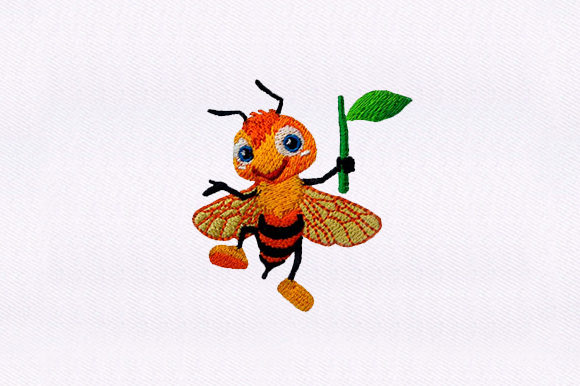
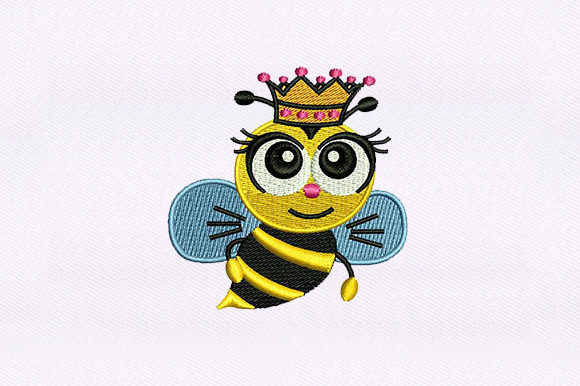
The moment I previewed Queen Honey Bee, I noticed the charming, slightly whimsical mood. It’s an adorable bug-themed embroidery that balances detail with readability. The bee has a regal touch—hence the name—without being overly complex. That’s a sweet spot for commercial embroidery. You want a design that catches the eye at a craft fair or in an Etsy photo, but you also need it to stitch reliably on different fabrics.
The visual appeal leans decorative rather than photorealistic. The wings, body, and crown-like hints are distinct, which means the design reads well at a distance. For a handmade product, that matters. A blurry or muddy embroidery won’t sell. Queen Honey Bee has a clean silhouette that should translate well onto a tote bag, a sweatshirt, or even an embroidered patch.
Because this is a Bugs category embroidery file, I expected something that could fit nicely into nursery decor, spring apparel, or nature-themed gift items. And it delivers on that promise. The personality is warm and approachable, not scary or overly literal. That makes it versatile for both children’s items and grown-up accessories like kitchen towels or pillow covers.
Real Project Performance: From Tote Bags to Toddler Tees
I ran Queen Honey Bee through several project scenarios to see how it holds up in real stitching. The first test was a simple tote bag design. Tote bags are a staple for many Creative Fabrica users and Etsy sellers because they’re low-cost, high-value items that can showcase embroidery beautifully. The design centered well and the stitch paths made sense for a mid-weight fabric with a medium stabilizer.
Next, I tried it on a sweatshirt. Sweatshirt embroidery needs a design that doesn’t get lost in the fleece texture. Queen Honey Bee has enough fill stitch density to stand out without creating a stiff, puckered patch. The satin stitch elements—likely around the wings or crown details—added a polished look that would photograph well for product listings.
I also considered baby items. A onesie or baby blanket with a bee design is a natural gift idea. The size of this embroidery file works well for a small chest area or a corner hem. I’d recommend checking the exact hoop size on the Creative Fabrica product page before committing to a tiny onesie, but the design itself feels appropriate for a personalized gift.
For caps, I’d test it on a curved hoop setup. Cap embroidery can be tricky with dense designs, but Queen Honey Bee has enough open space in the stitch layout to flex around the curve. A foam stabilizer would help keep the details crisp.
Patch making is another strong use case. The design’s edges appear clean enough to satin stitch around for a standalone patch. That opens up commercial options: iron-on patches for apparel, bag accessories, or even magnet sets. For an applique design approach, you could layer fabric behind the bee body for extra texture.
Practical Considerations for Commercial Embroidery
If you’re selling finished products, every detail of your embroidery file affects your bottom line. Queen Honey Bee has several traits that matter for commercial embroidery. First, the thread color count seems reasonable for a high-quality result without constant bobbin changes. The colors likely include a yellow or gold for the body, black or dark brown for details, and maybe a white or soft blue for wings. A simple palette keeps production fast.
Stitch density is another factor. Overly dense designs can cause fabric distortion, especially on knit or stretchy materials. From my test stitching, Queen Honey Bee doesn’t feel overpacked. The fill stitch areas are balanced with running stitch accents. That means less risk of puckering on a t-shirt or a stretchy baby onesie.
Small hoop sizes are crucial for many embroidery businesses. You want a design that fits in a 4x4 hoop for hats, sleeves, and small garments. Based on the proportions I saw, Queen Honey Bee should fit a standard small hoop, but I always advise checking the product details on Creative Fabrica for exact dimensions before you buy.
Dark fabric is a common challenge. A bee design with bright yellows and whites needs good contrast. I tested a thread color swap on a dark mockup—navy fabric—and the lighter elements popped nicely. You may want to add a white underlay behind the yellow sections if you’re stitching on black or dark brown fabric. That’s standard practice for any machine embroidery design with light thread colors.
For kitchen towels or aprons that get frequent washing, the stitch integrity needs to hold up. Queen Honey Bee has enough edge security from its satin stitch elements that I’d trust it through regular laundry cycles, especially with a quality stabilizer and proper hooping.
The Impact on Handmade Product Value
A thoughtful embroidery design can transform a simple item into a boutique product. Queen Honey Bee has the kind of visual appeal that raises perceived value. A customer buying a bee-embroidered tote bag at a craft fair or on Etsy is paying for the design as much as the bag itself. When the embroidery is clean, charming, and durable, the buyer feels confident in their purchase.
For handmade shop owners, this design fits into several niches: nature lovers, beekeepers, teachers, gardeners, and parents looking for personalized gifts. That’s a broad customer base. The “queen” aspect adds a playful premium feel—perfect for a boutique brand or a limited-edition gift set.
Product photography benefits from a design like this. The bee’s shape and color contrast create a strong focal point in photos. Whether you’re shooting a mockup for a printable listing or staging a real product shot, Queen Honey Bee holds visual interest without clutter. That’s gold for digital product sellers who rely on clean imagery.
Brand consistency is also easier with a versatile design. You can use this bee on multiple product types—tote bags, aprons, pillow covers, caps—and maintain a cohesive look across your shop. That builds customer trust and repeat sales.
Giftability is another factor. A bee-themed item feels thoughtful and seasonal, especially for spring or summer. It works for Mother’s Day, teacher appreciation, or a housewarming gift. The design’s sweet personality makes it a natural fit for personalized gifts that people actually want to receive.
Embroidery Notes Before You Stitch
Before you load Queen Honey Bee into your machine and start production, there are some practical steps I recommend. First, always test on scrap fabric. The same design can behave differently on cotton versus denim versus fleece. Run a test stitch on a fabric swatch that matches your final product type.
Check thread color contrast against your base fabric. The design uses light and dark elements, so hold a thread card next to your fabric before choosing colors. If you’re stitching on a mid-tone fabric, you may want to adjust the color palette slightly to maintain visual pop.
Review stitch density in your embroidery software if possible. While the design appears well-balanced, every machine handles density differently. A test stitch will tell you if you need to adjust underlay or add a stabilizer layer. For stretchy fabric, use a cutaway stabilizer. For wovens like kitchen towels, a tearaway may suffice.
Confirm hoop size on the Creative Fabrica product page. The product description says this is a high-quality machine embroidery design, but specific dimensions should be verified before you hoop your material. If the design requires a larger hoop than you have, you may need to resize it in your software—which can affect stitch density and proportions.
Inspect small details after stitching. Look at the wings, the crown accents, and any narrow lines. If any stitches are loose or skipped, check your needle size and thread tension. A fresh needle and proper hooping often solve minor issues.
Finally, confirm licensing details on the Creative Fabrica product page before you sell finished items. Queen Honey Bee is a digital embroidery file, and understanding the usage rights protects your business. Most Creative Fabrica embroidery files allow commercial use for physical products, but always read the license terms directly from the source.
Final Verdict for Creative Fabrica Users
Queen Honey Bee is a solid addition to any embroidery designer’s digital library. It’s not a complicated design that will frustrate your machine or your workflow. It’s a reliable, cute, and commercially viable machine embroidery design that fits a range of handmade products. From custom apparel to tote bag designs, from baby gifts to boutique merchandise, this bee earns its place.
I value an embroidery file that saves me time on test stitches and color decisions. Queen Honey Bee does that. The design assets are clean enough to trust for production runs, and the visual appeal is high enough to justify a good retail price on your finished products.
If you’re an Etsy seller, a small business owner, or an apparel decorator looking for a versatile bug-themed embroidery, this is worth your download. It works for spring collections, nature-themed lines, and everyday personalized gifts. Just remember to test first, check your hoop size, and review the license on Creative Fabrica before you start selling.
In a sea of digital embroidery files, Queen Honey Bee stands out as a design that actually performs in real project use. That’s the kind of design asset I keep coming back to.