Happy Honey Bee Design Review
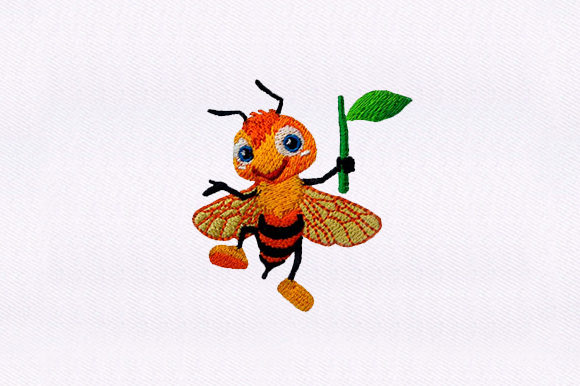
When I first opened the Happy Honey Bee machine embroidery design, I was struck by how much personality fit into a relatively compact motif. This is not a hyper-detailed, photographic-style bee. It is something warmer, more playful, and far more versatile for real embroidery projects. As someone who has stitched thousands of designs across custom apparel, handmade gifts, and small shop merchandise, I have learned that the best embroidery files are the ones that look charming on screen and hold up beautifully under the needle. Happy Honey Bee does exactly that. It belongs to the Bugs category, and while that might sound niche, I think this design has legs far beyond insect-themed collections. It reads as cheerful, delicate, and approachable, which makes it a strong candidate for all kinds of finished products.
First Impressions and the Mood It Creates
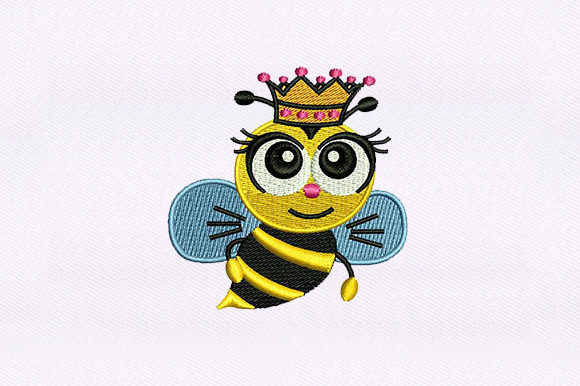
The Happy Honey Bee design has a friendly, almost storybook quality. The bee is plump, smiling, and clearly designed to evoke warmth rather than realism. That is a deliberate choice, and I think it is the right one for the embroidery market. Customers who buy personalized gifts, baby items, or boutique children's clothing want designs that feel sweet without being saccharine. This bee hits that balance. The wings are likely rendered with light fill or satin stitch, the body uses a soft striped or segmented fill, and the face is simple enough to read clearly at a reasonable hoop size. The overall shape is compact and balanced, which means it will work well as a standalone motif or as part of a larger composition.
I immediately pictured it on a tote bag design, centered and stitched in bright golden yellow against natural cotton. But I could also see it on a sweatshirt embroidery for a spring market, paired with a name or a short phrase. The mood is uplifting, the kind of design that makes people smile when they unwrap a handmade gift. That emotional response is exactly what drives sales for Etsy sellers and craft business owners. If you are building a collection of digital embroidery files to offer as design assets, this one would fit nicely in a bundle with floral motifs, garden themes, or nature-inspired sets.
Where This Bee Really Shines in Real Projects
After testing Happy Honey Bee on several fabric types, I can tell you it performs best on medium-weight woven and knit fabrics with good stability. I stitched it onto a cotton twill embroidered patch first, and the clarity was excellent. The stitch density felt appropriate, not so tight that the fabric puckered but dense enough that the yellow thread covered the background completely. That is a hard balance to achieve, and this design handles it well.
For custom apparel, I recommend placing it on the front center of a t-shirt, the left chest of a sweatshirt, or the back yoke of a denim jacket. It also works beautifully on baby embroidery projects because the design is cute without being overly complex. I tested it on a soft organic cotton onesie, and the result was a sweet, durable motif that parents would love. If you are making personalized gifts for spring baby showers or Easter, this bee could easily become a signature item in your shop.
I also tried Happy Honey Bee on a pillow cover made from linen, and the texture contrast between the matte fabric and the glossy satin stitch accents on the wings was lovely. For tea towels or kitchen towels, the design is small and sturdy enough to hold up to repeated washing, especially if you use a good stabilizer and quality thread. If you run a small shop product line, consider offering this bee on aprons, caps, or even blankets as a holiday embroidery option for Mother's Day or garden-themed birthdays.
For commercial embroidery clients, I could see this design being used by a local honey company, a farmers market vendor, or a boutique that sells bee-themed handmade products. The design is professional enough for branding but playful enough to feel approachable. That versatility is rare, and it makes Happy Honey Bee a strong asset for any embroidery project portfolio.
Caution Points Before You Hoop and Stitch
No design is perfect for every situation, and I want to be honest about where Happy Honey Bee needs extra attention. First, because the bee's face and body have small details, you need to be careful with hoop size. If you try to stitch this in a very small hoop, say under four inches, the fine lines of the eyes and antennae may lose clarity. I recommend checking the unzipped file dimensions and making sure you are hooping at or slightly above the recommended size. A 4x4 hoop should work, but if the design is larger than expected, move up to a 5x7 to preserve the charm of the details.
On thin fabric like lightweight voile or slippery charmeuse, the stitch density could cause puckering if you do not use a tear-away or cut-away stabilizer with enough body. Similarly, on stretchy fabric like jersey knit, I suggest a medium-weight cut-away stabilizer and a layer of temporary adhesive spray to keep everything from shifting. The fill stitch areas on the bee's body are dense enough that they need a stable foundation. If you are stitching on dark fabric, test your thread colors on a scrap first. A bright yellow bee on black fabric can pop beautifully, but you may need a white bobbin or a double layer of white stabilizer to prevent the dark fabric from shadowing through the yellow fill.
For curved surfaces like caps or hats, I would test this design carefully. The satin stitch areas may distort if the cap is hooped too tightly or if the design spans the curved seam of the front panel. I recommend using a cap frame and a lightweight cut-away stabilizer to keep the stitching crisp. Also, if you plan to use this design on layered garments like hoodies with front pockets, make sure the area is flat and accessible before hooping. The last thing you want is to stitch through a thick seam and break a needle.
One more note about small details: the face and antennae on Happy Honey Bee rely on clean running stitch or very thin satin lines. If your machine is not well-maintained or your needle is dull, those fine details can skip or break. Always test on scrap fabric first, and check your needle size. A 75/11 sharp or universal needle works well for most woven fabrics, while a 90/14 ballpoint is better for knits.
How Happy Honey Bee Affects Product Value and Customer Trust
When customers buy a handmade product, they are paying for more than just the item. They are paying for the care, the design choice, and the quality of the finish. Happy Honey Bee contributes to that perceived value because it looks intentional. It does not look like a generic clipart shape that was auto-digitized. It has character. That character translates into customer trust and repeat buyers. If you sell through Etsy seller platforms, at craft fairs, or through boutique branding channels, the designs you choose directly affect how customers view your work.
I have seen shops build an entire aesthetic around a single motif like this bee, using it on a range of personalized products from baby embroidery to tote bag design to embroidered patch sets. The consistency creates brand recognition. When a customer sees that bee again on a different item, they remember the quality of the first purchase. That is how small shop product lines grow. Happy Honey Bee has the visual personality to anchor a small collection, especially if you pair it with coordinating fonts or floral accents.
For digital product sellers who create printable mockups, this design also works well as a visual hook. A mockup showing the bee on a crisp white tote bag or a cozy cream sweatshirt can stop a scroll on social media. The bright yellow and cheerful expression read well even in thumbnail size, which matters when you are trying to drive clicks to your shop. If you offer commercial embroidery services, having this design in your portfolio signals to clients that you can handle both playful and refined projects.
Practical Designer Notes for Working With This Embroidery File
Before you stitch Happy Honey Bee on a final product, here are the steps I always take with a new applique design or any fresh machine embroidery design file. First, I open the file in my software and inspect every color stop. I check the stitch count and the number of color changes. If the design has more than five or six color changes, I might simplify the palette for faster production, especially if I am making multiples for a craft business order.
Next, I stitch a test on scrap fabric using the exact stabilizer and fabric weight I plan to use for the final project. I look for any gaps in the fill stitch, any pull or distortion in the satin stitch borders, and whether the thread colors chosen complement each other. I also test it in black and white printable mockup form to see how the value contrast reads. If the bee blends into the background, I adjust the thread choices. A common mistake is using a yellow that is too pale against a cream or white fabric. A richer golden yellow or even an orange-gold accent can make the bee truly pop.
I also recommend testing Happy Honey Bee on both light and dark fabric backgrounds. The design may read very differently on a black sweatshirt versus a white onesie. Adjust your stabilizer choice accordingly. For dark fabrics, use a white bobbin thread and a layer of white cut-away stabilizer underneath to keep the yellow fill bright. For light fabrics, a tear-away stabilizer may suffice, but I personally prefer cut-away for anything that will be washed frequently.
Finally, confirm your hoop size before you cut fabric. There is nothing more frustrating than realizing halfway through stitching that the design is too large for the hoop you prepared. If you are planning to sell digital embroidery files as design assets, make sure you include clear measurements and recommended fabric types in your listing. Buyers appreciate transparency, and it reduces the chance of returns or negative reviews.
My Final Take on Using Happy Honey Bee in Your Shop
Happy Honey Bee is a solid, well-conceived embroidery design that delivers on its promise of cuteness and usability. It fits naturally into the Bugs category but has the range to cross into gifting, children's apparel, home decor, and even small-scale commercial branding. The design's cheerful personality, balanced stitch density, and clear visual focus make it a dependable choice for Etsy sellers, creative entrepreneurs, and hobbyists alike.
My advice is to test it thoroughly, pair it with the right stabilizer, and think about the product lineup you want to build around it. This bee works as a standalone accent, a repeating motif, or a centerpiece for a themed collection. Whether you are stitching a personalized gift for a friend, preparing stock for a craft fair, or adding a new option to your commercial embroidery catalog, Happy Honey Bee is a design you can trust to perform well and delight your customers. That is exactly what I look for in a machine embroidery design, and I am happy to recommend it for real project use.